



Why Portland Wine Company?
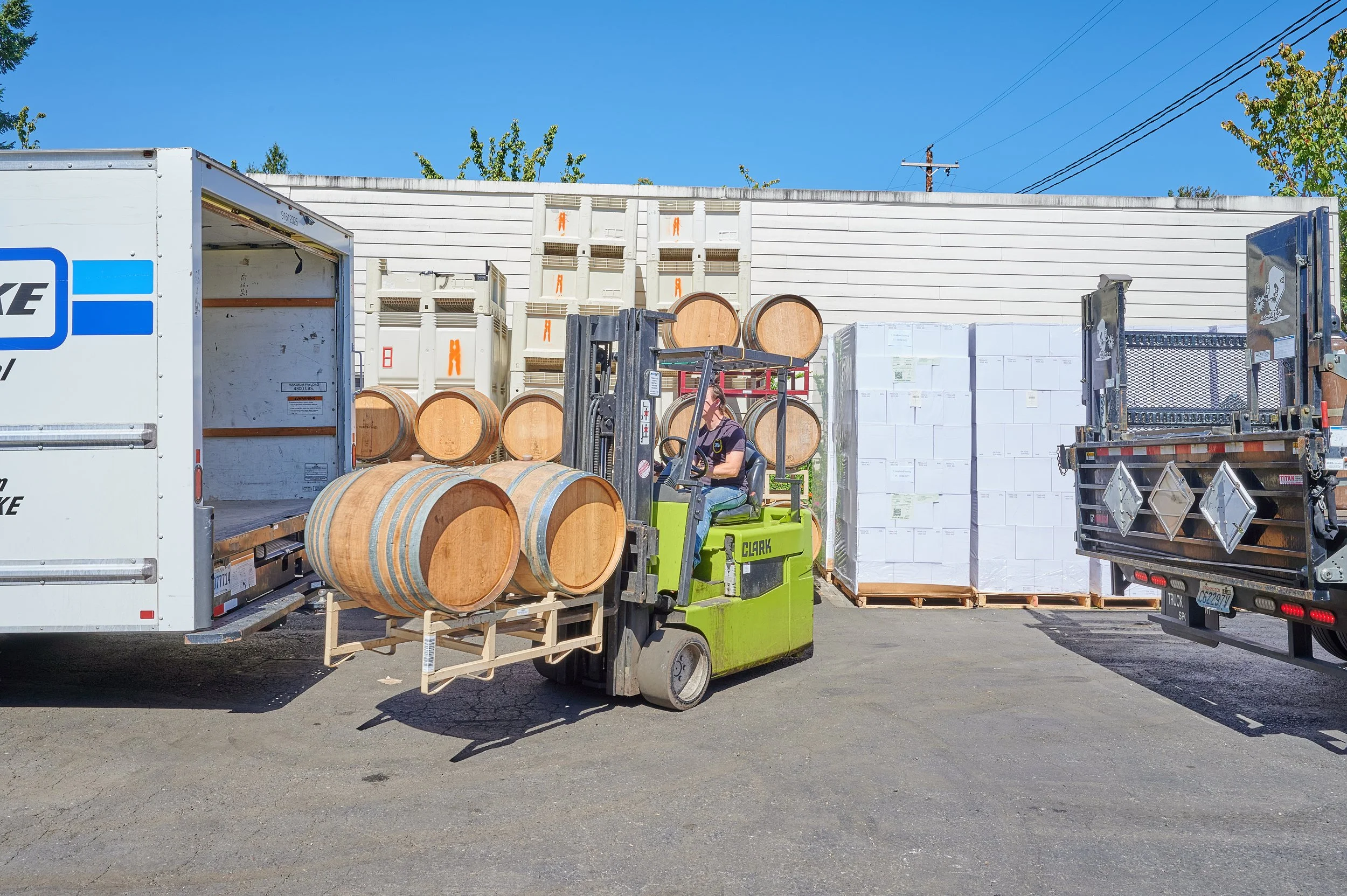
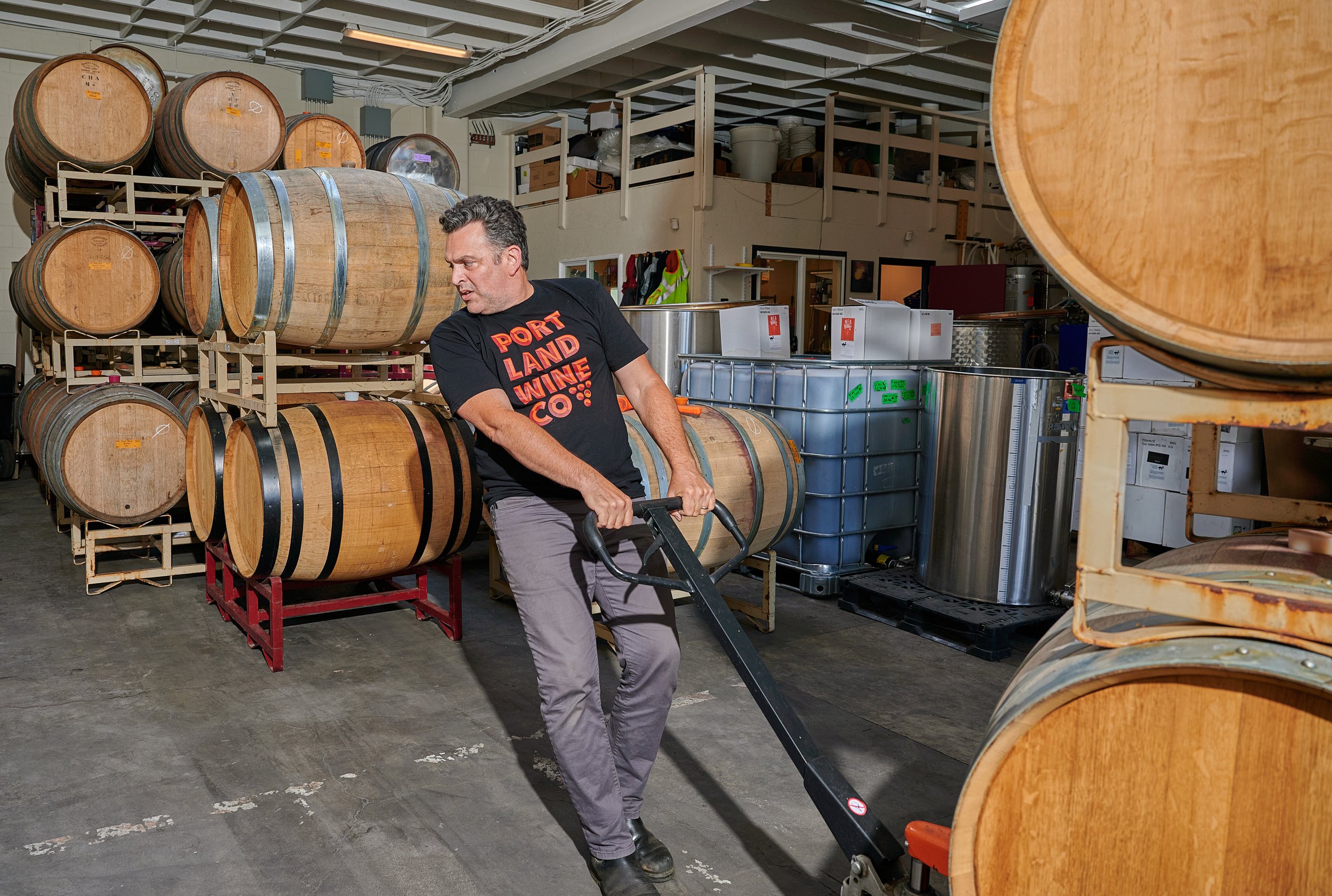
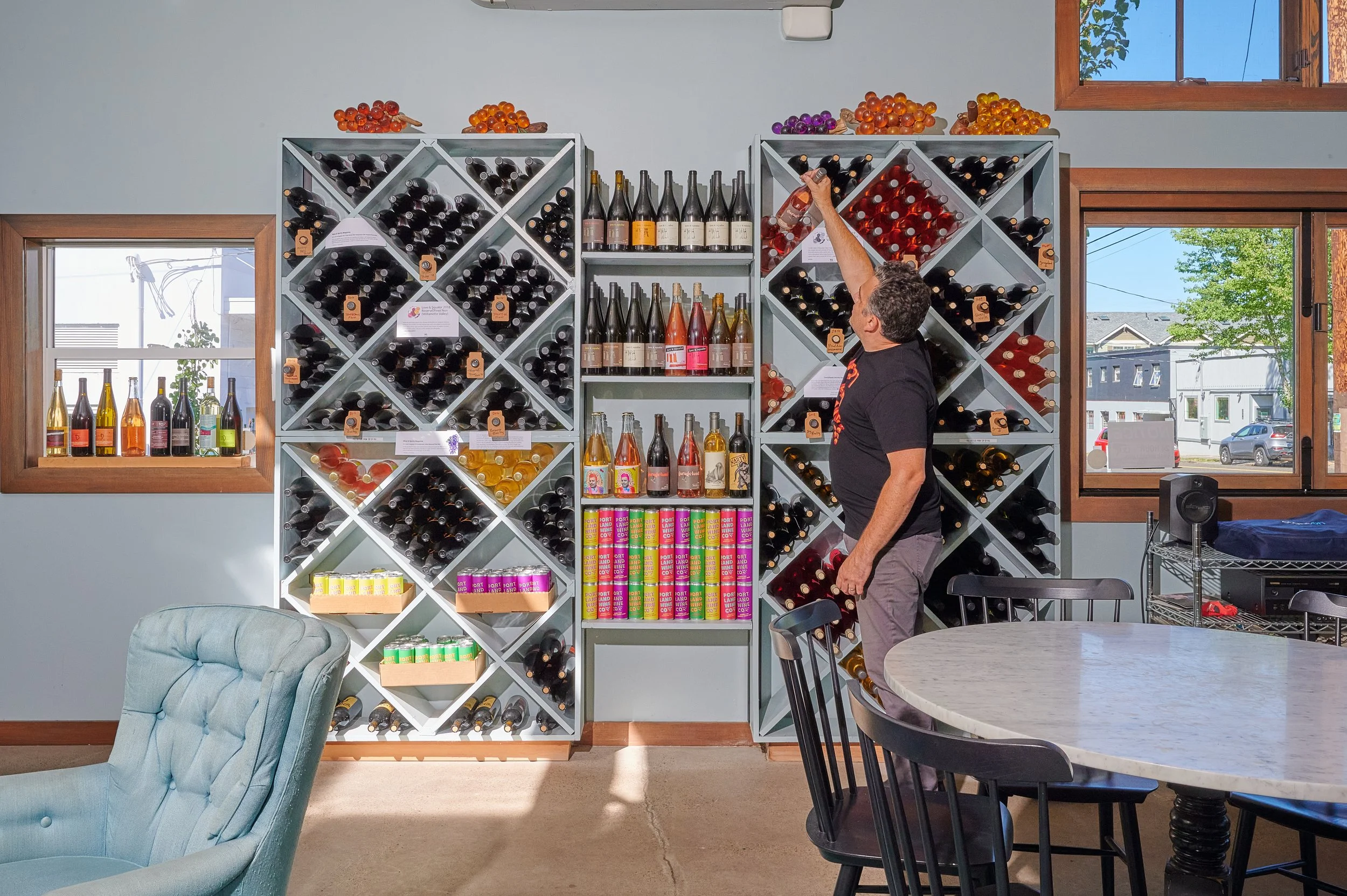
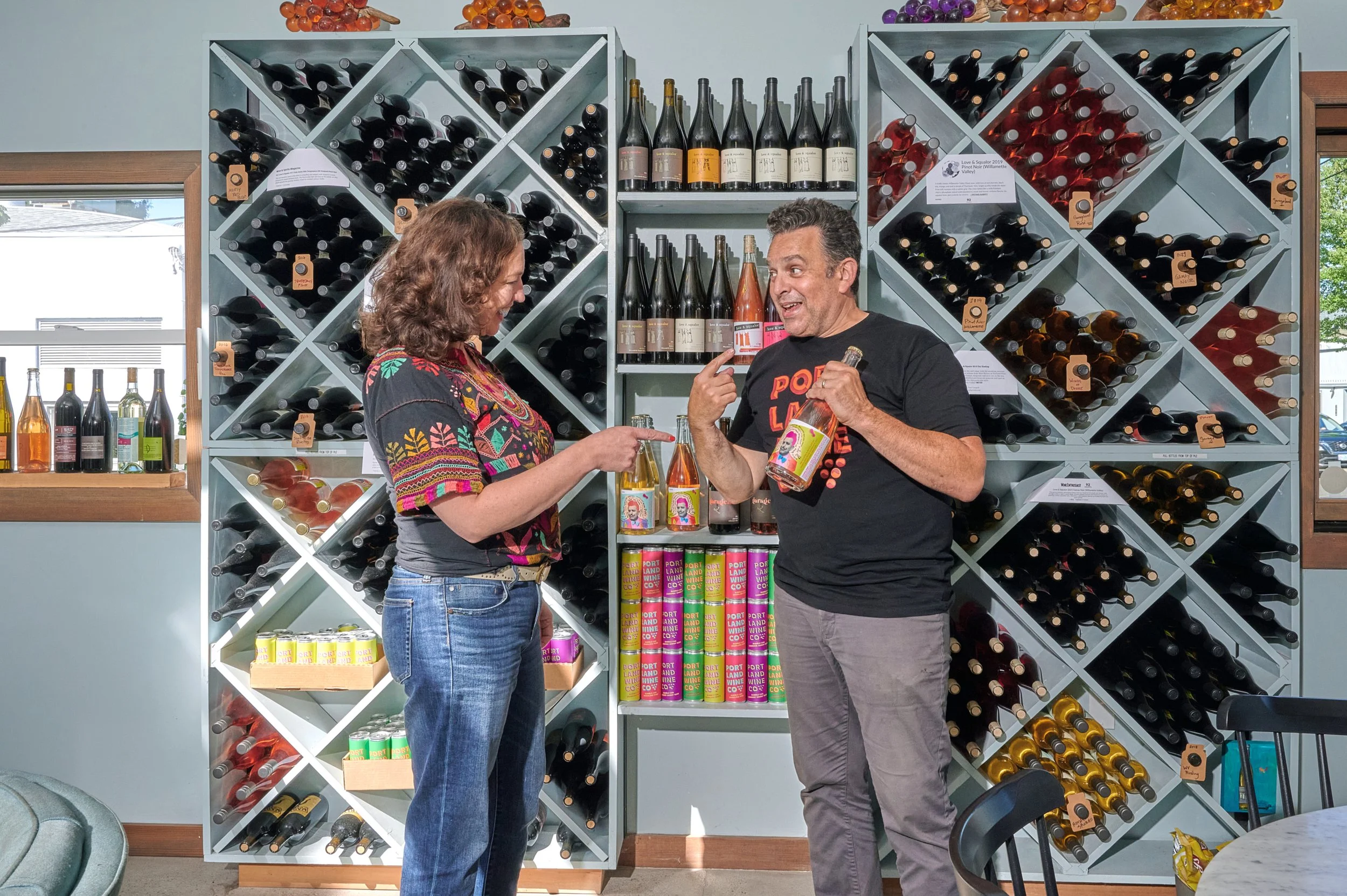
We're a working, urban winery in inner SE Portland — not a tasting room with wine trucked in from somewhere else, not a wine bar pretending to be a winery. We ferment, age, and bottle every drop of Love & Squalor (and our other labels) right here on SE 50th Ave, then pour it for you twenty feet from the tanks it was made in.
Here's the full story, for anyone who wants the real answer instead of the marketing version.
What exactly is Portland Wine Company?
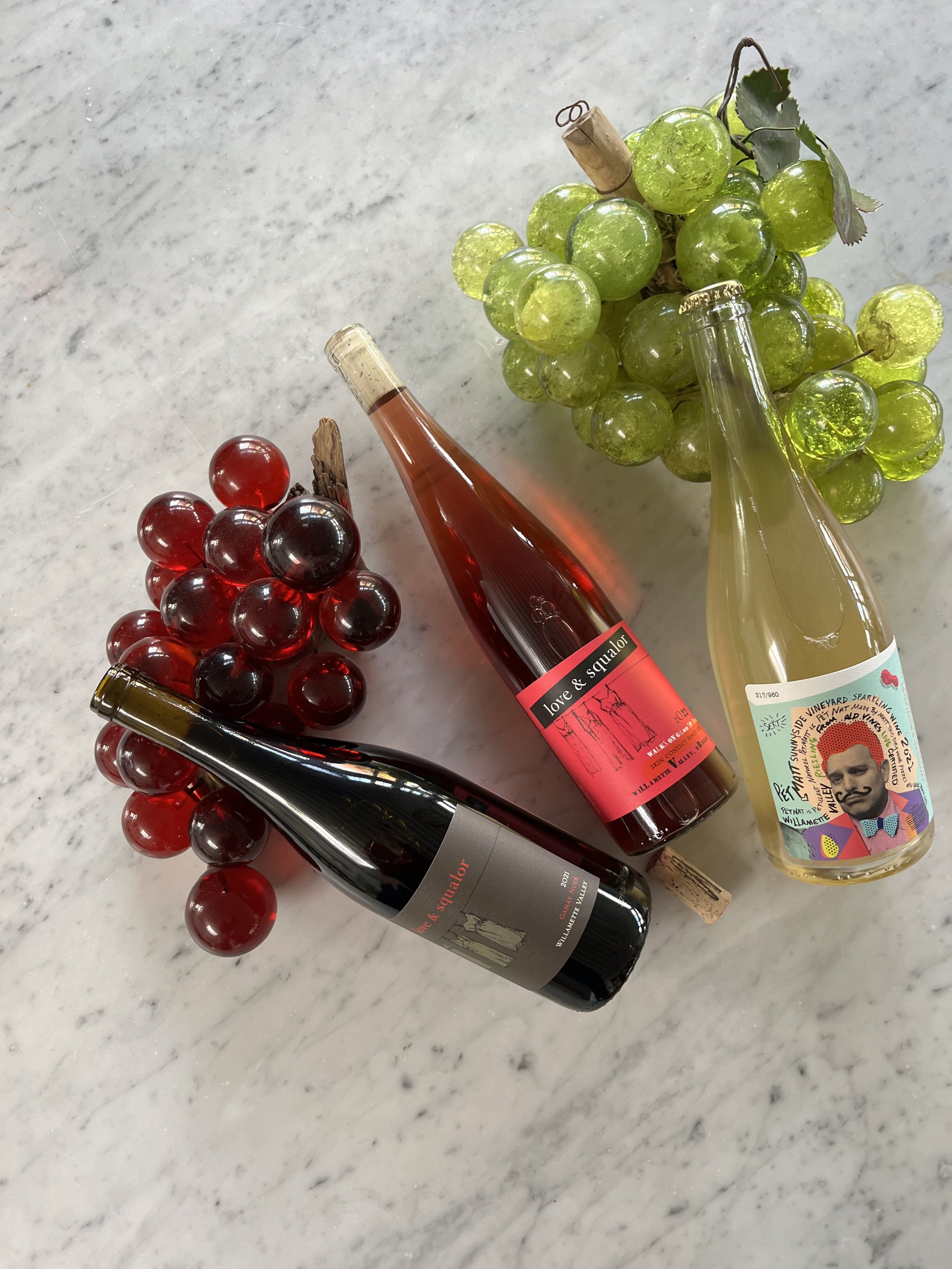
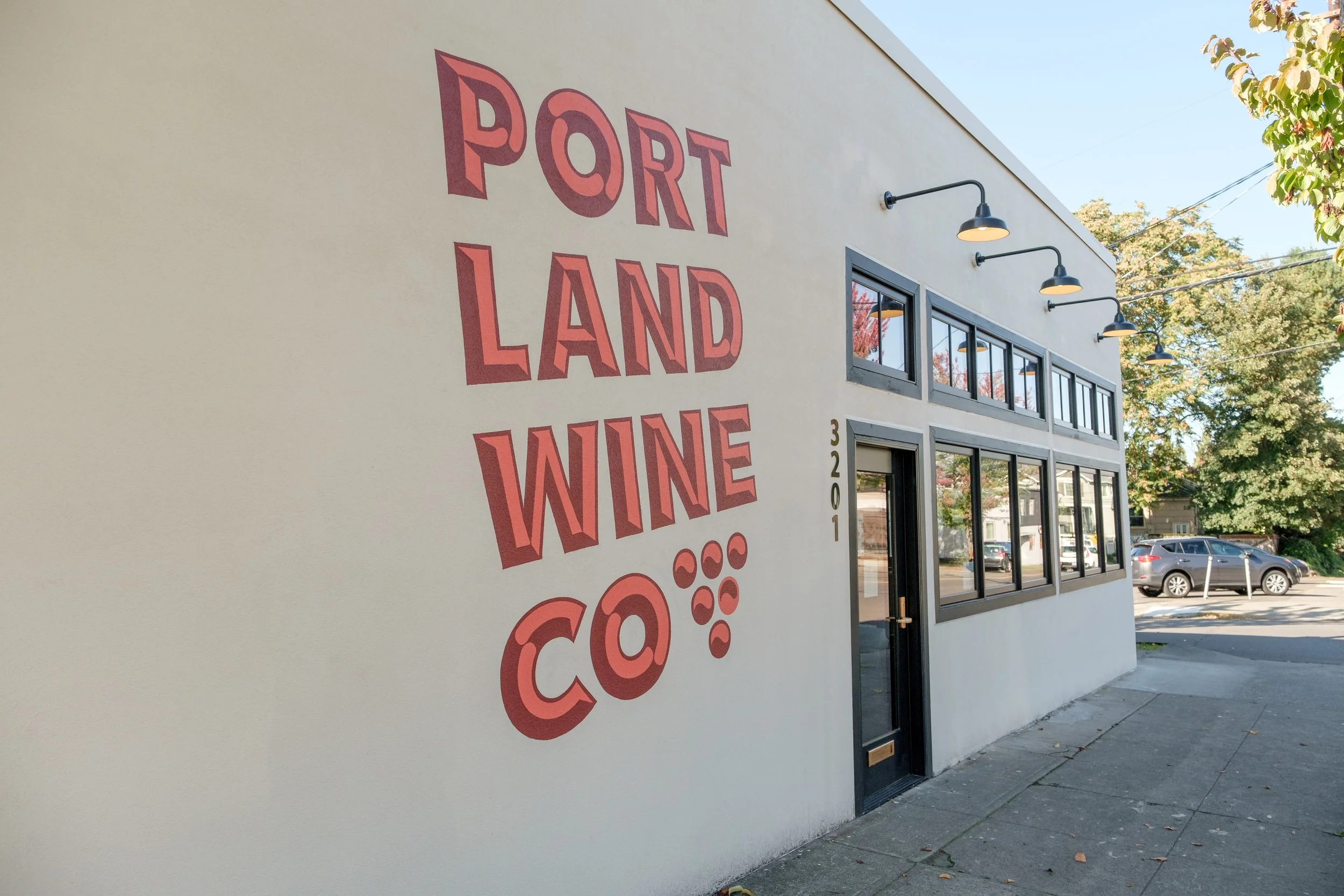
Portland Wine Company is a fully licensed, working production winery and tasting room located at 3201 SE 50th Ave in Portland, Oregon. It's the home of Love & Squalor, our flagship label, along with several smaller sibling projects: Garageland (our value-driven, multi-vineyard label), Pet Matt (pétillant-naturel sparkling wines), Mothershucker, and Marty (the Behemoth), our red blend.
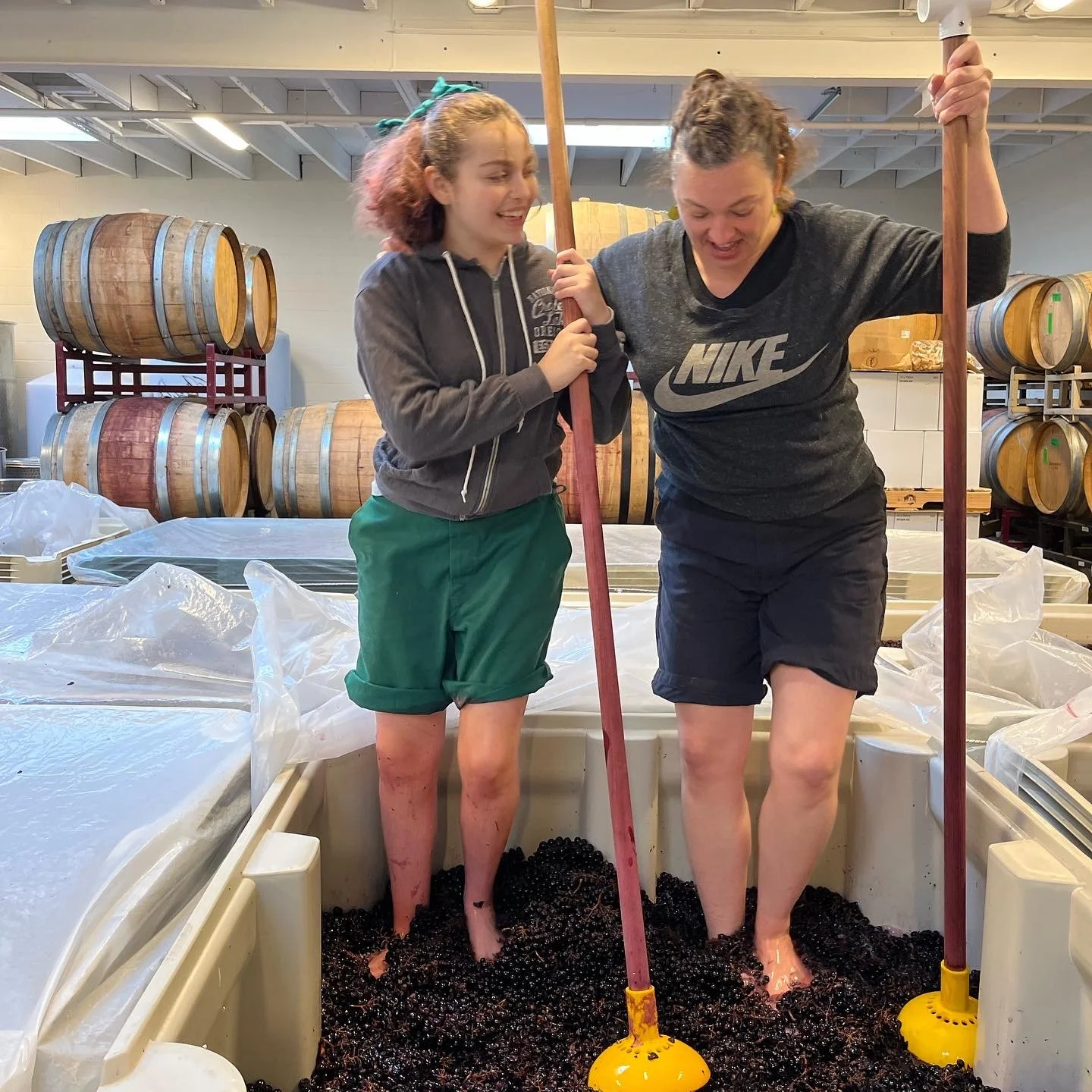
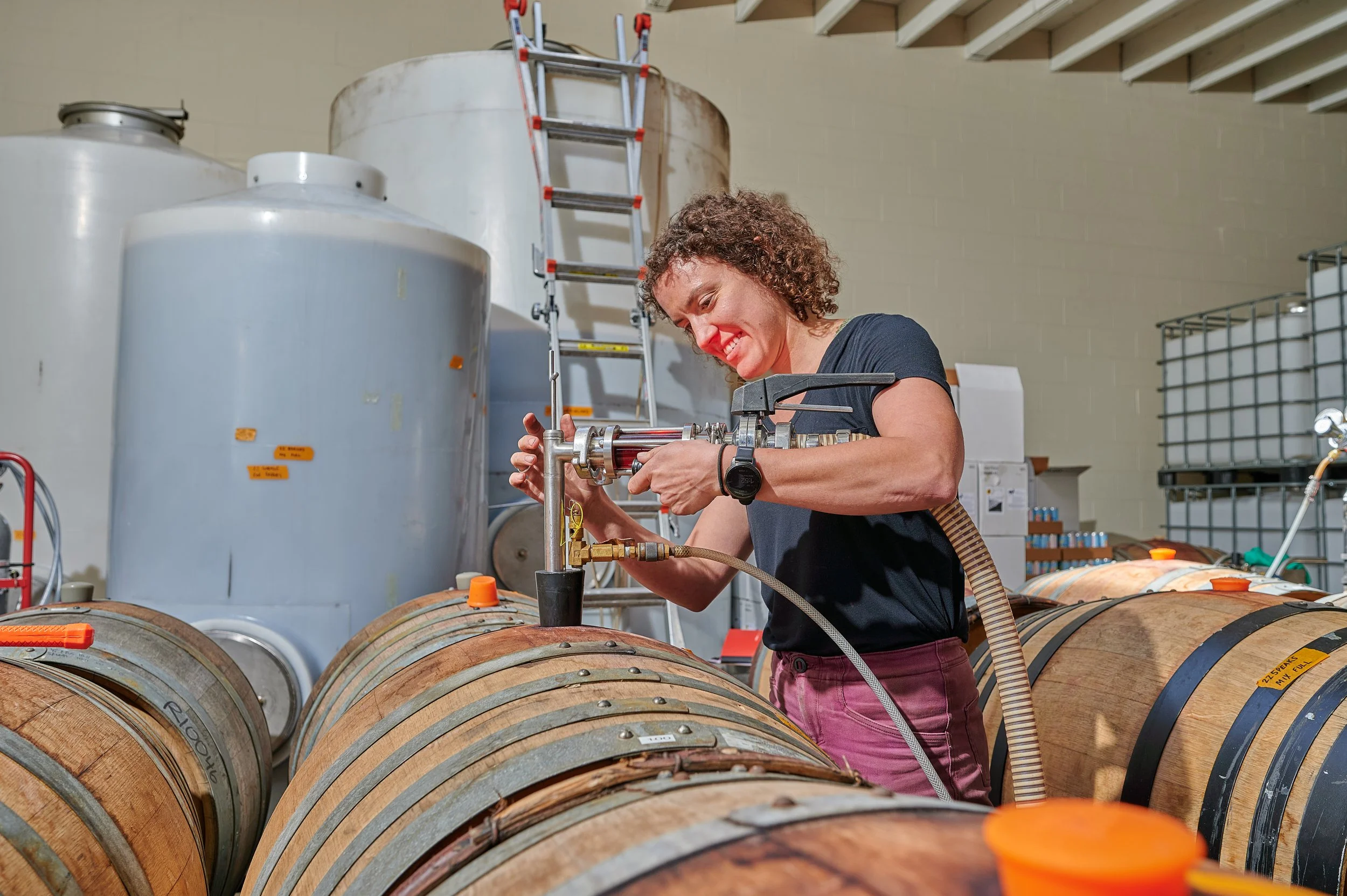
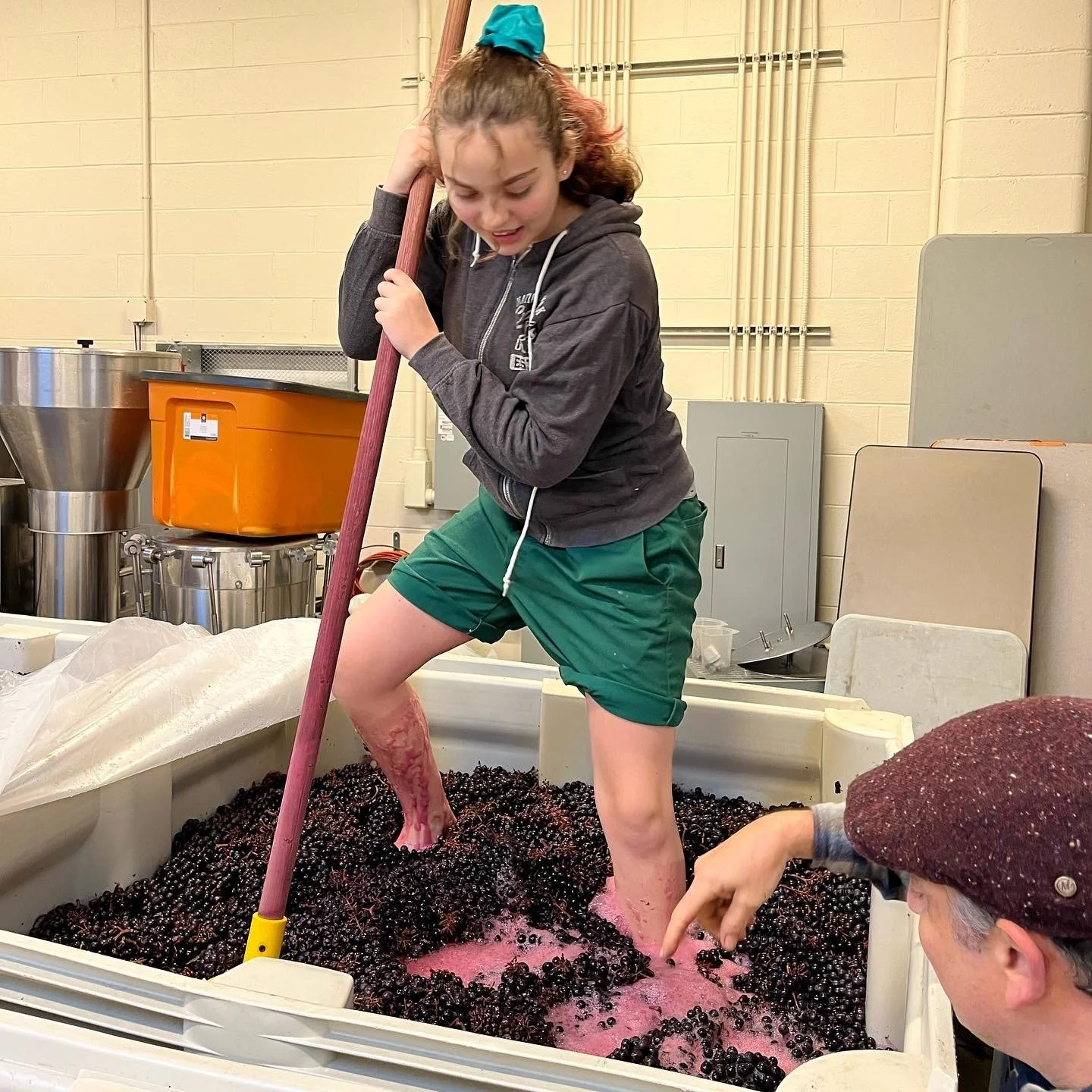
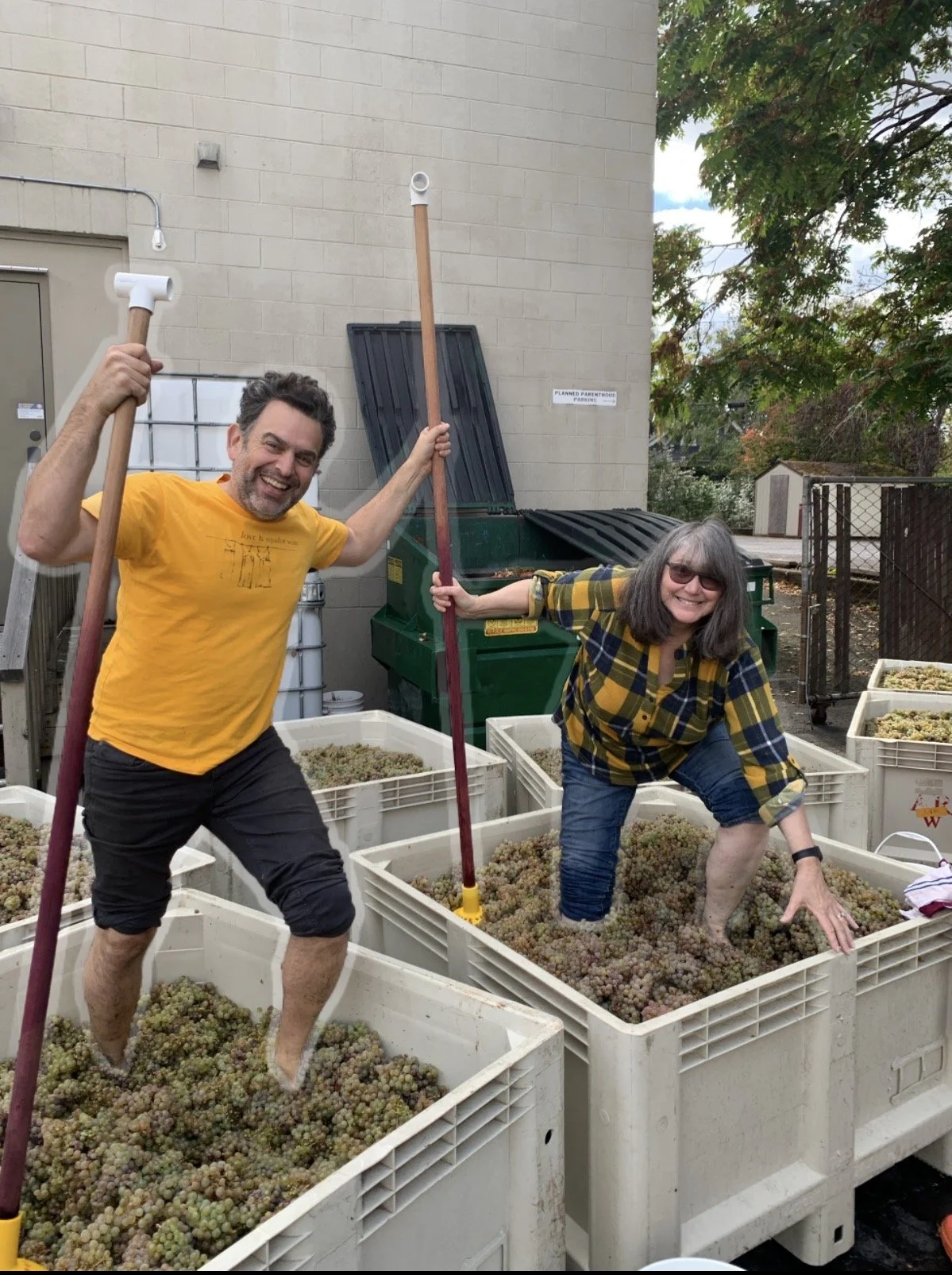
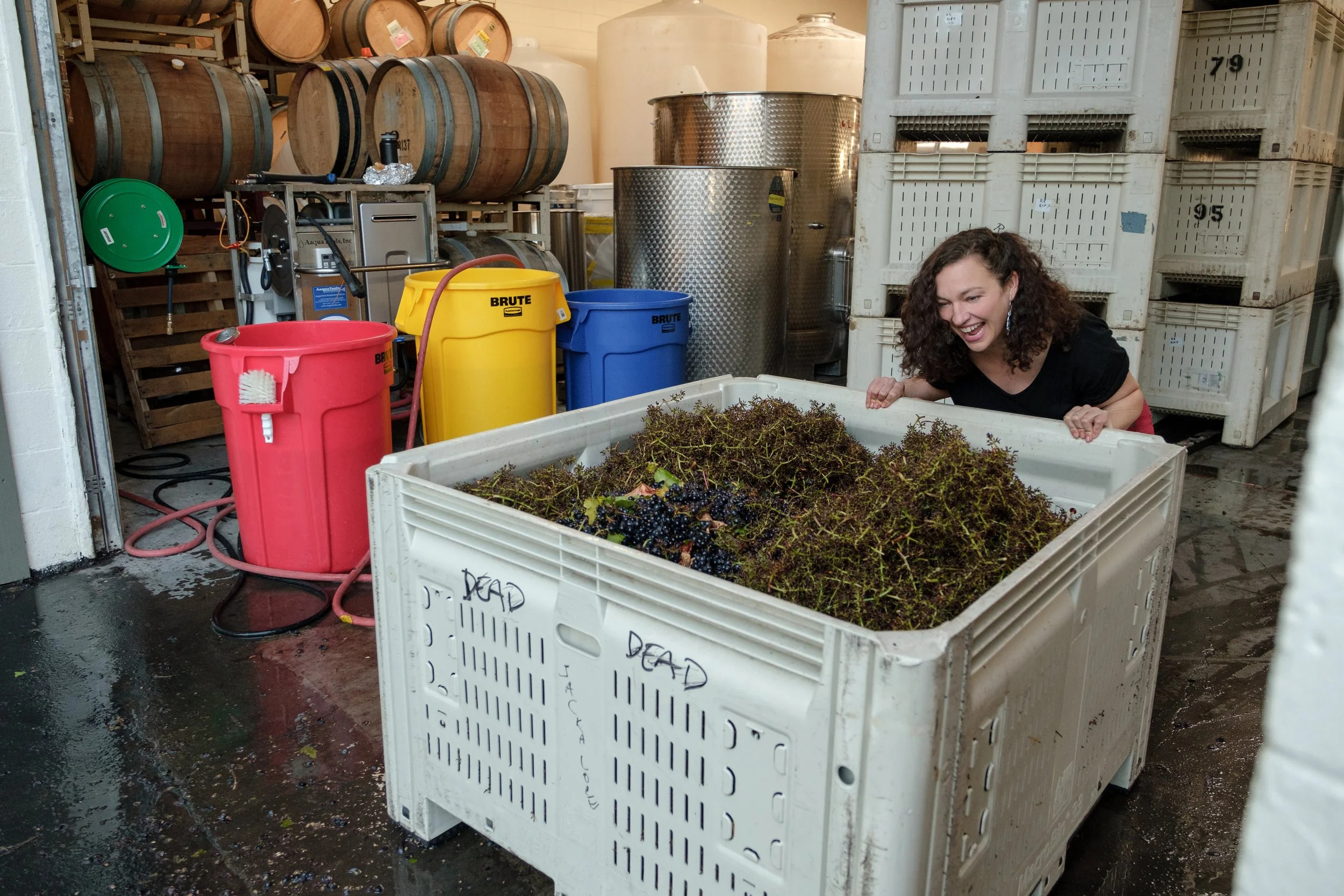
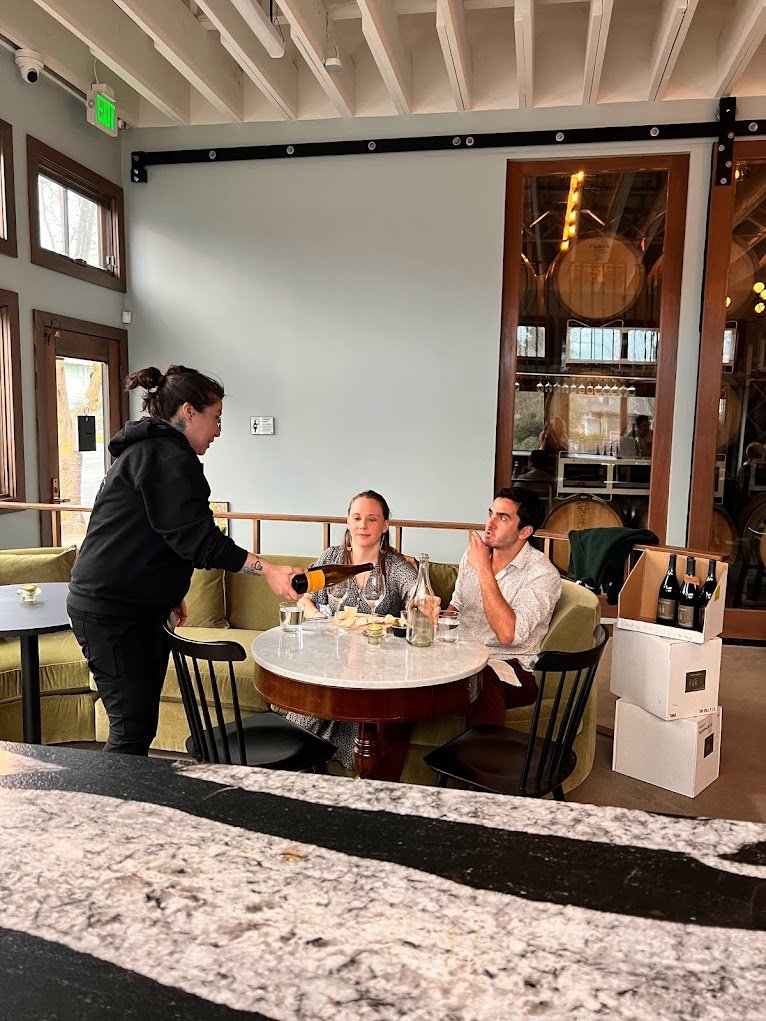
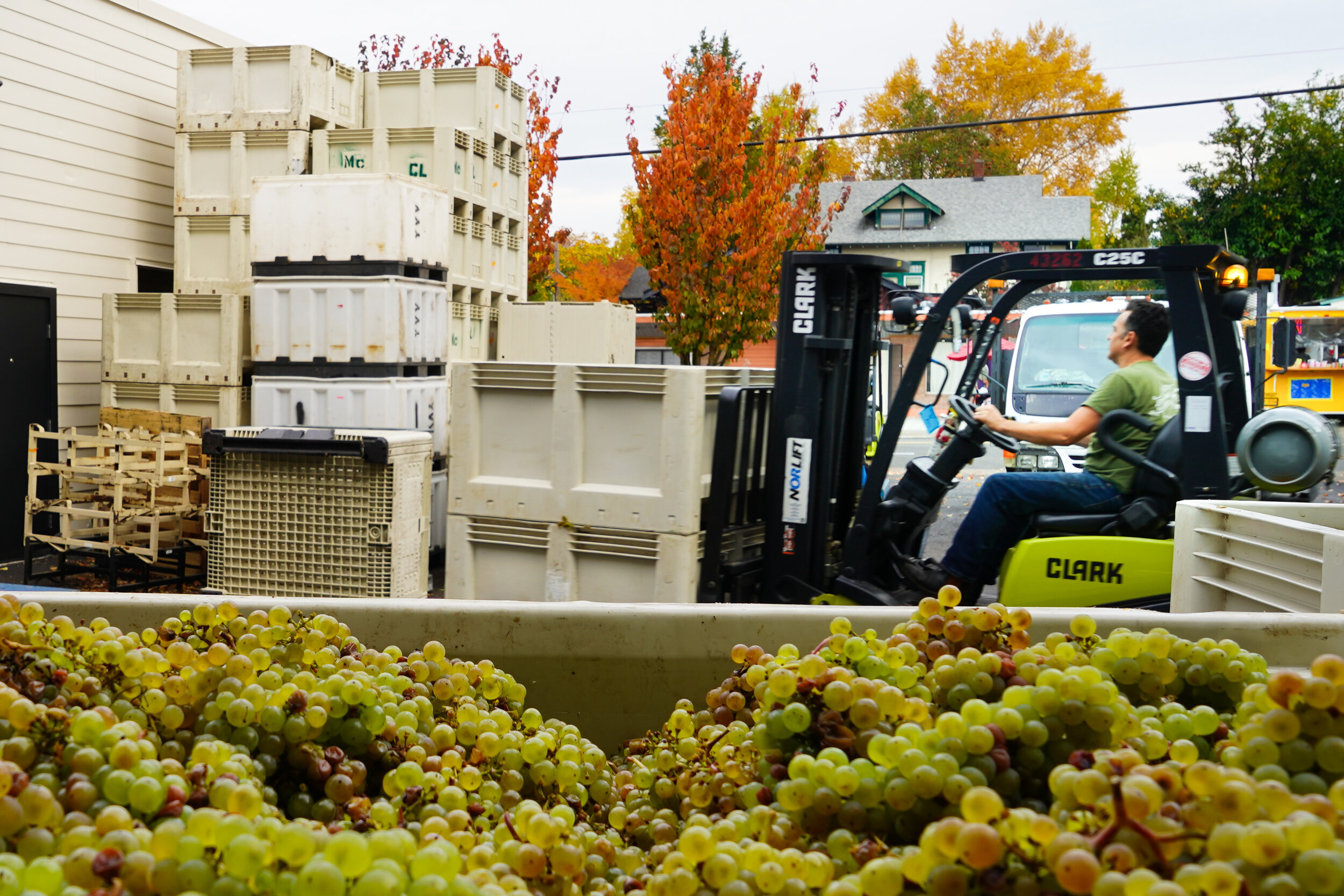
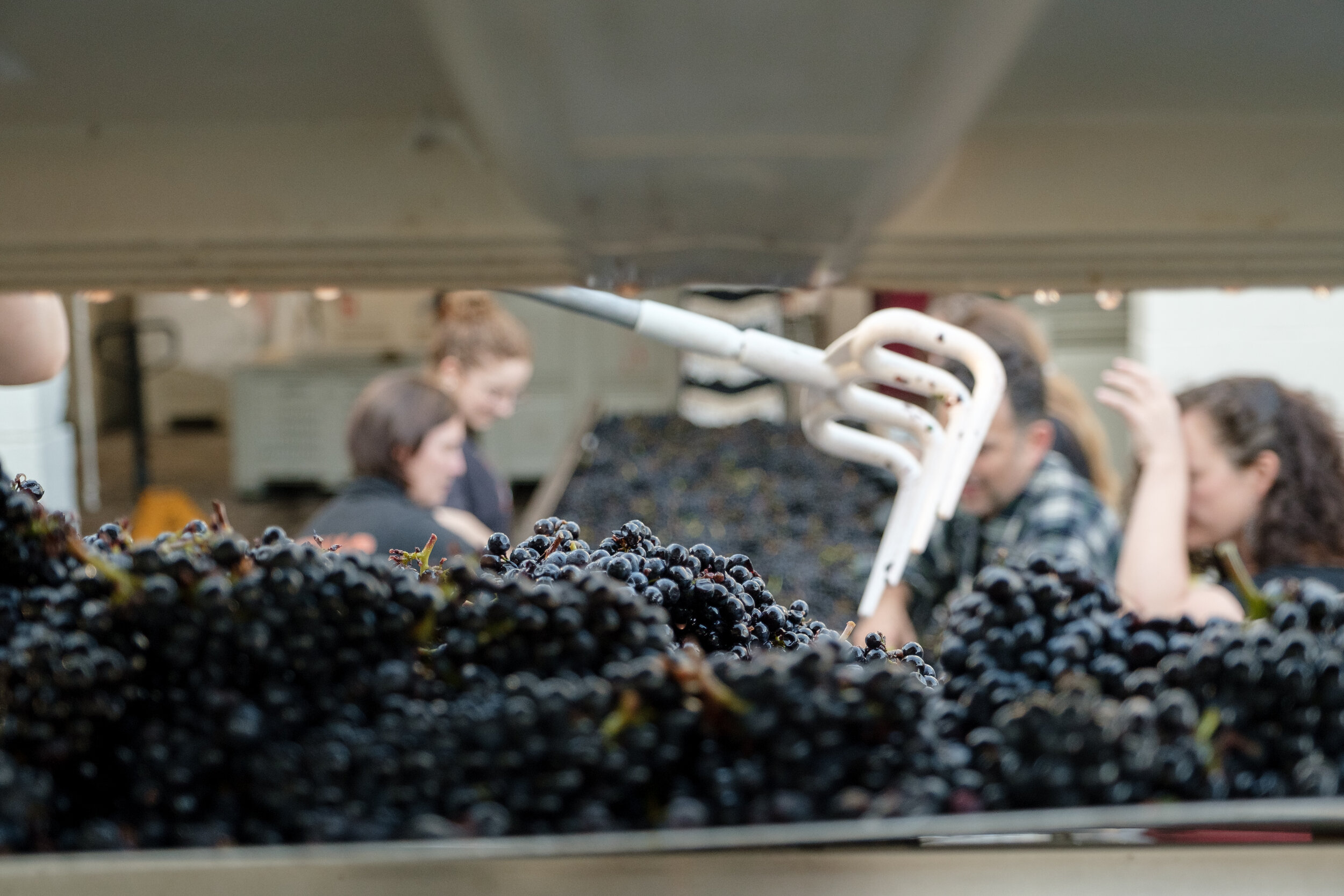
This isn't a tasting counter for a winery based somewhere else. Fermentation, barrel aging, blending, and bottling all happen on site, in the same building where you sit down to taste. You can see the tanks. You can smell fermentation during harvest. What's in your glass was made a few feet from where you're sitting.
Urban winery — what does that actually mean, and why does it matter?
We're an urban winery, not an estate winery, and we're upfront about the distinction because it shapes everything about how we work.
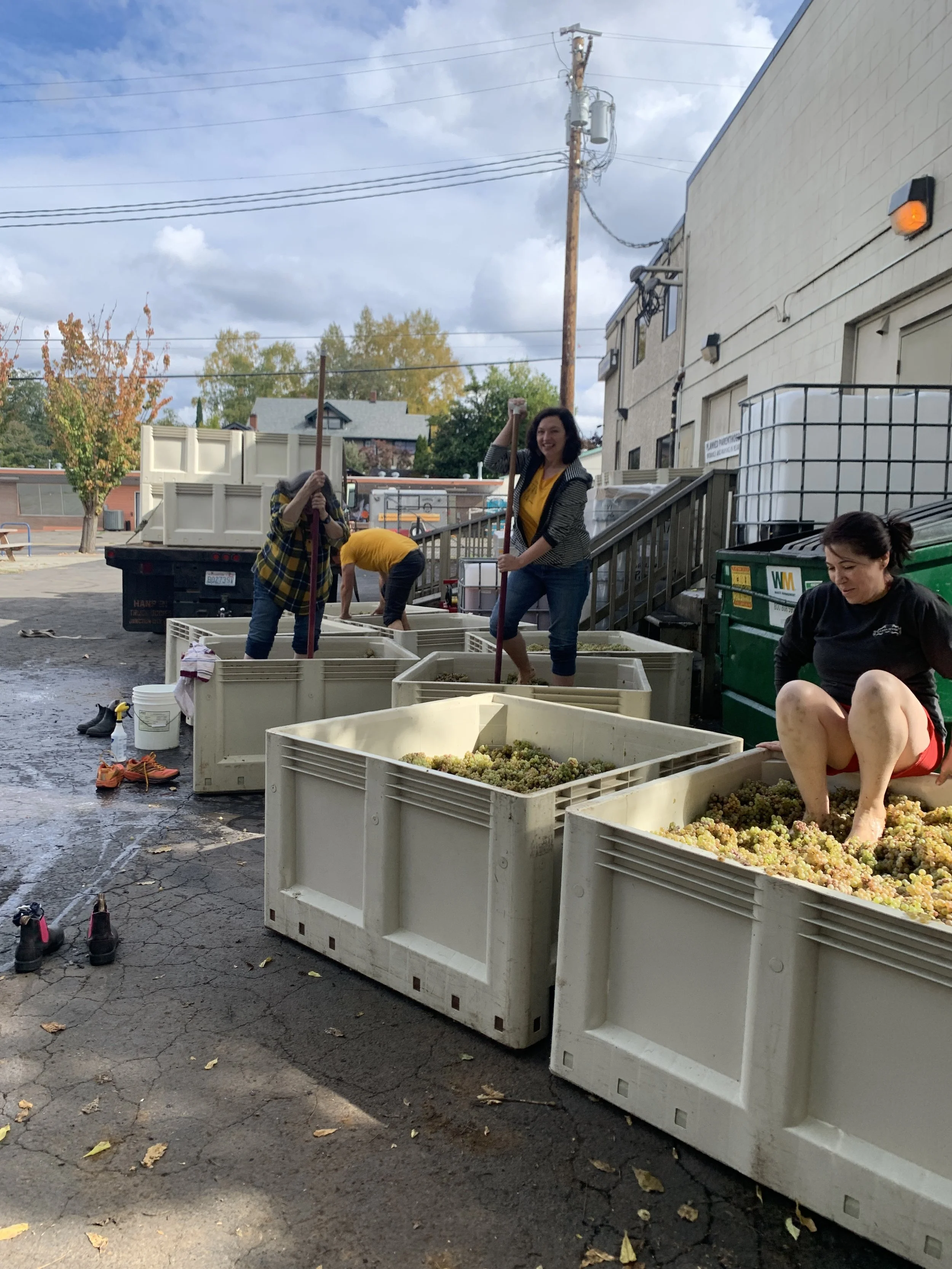
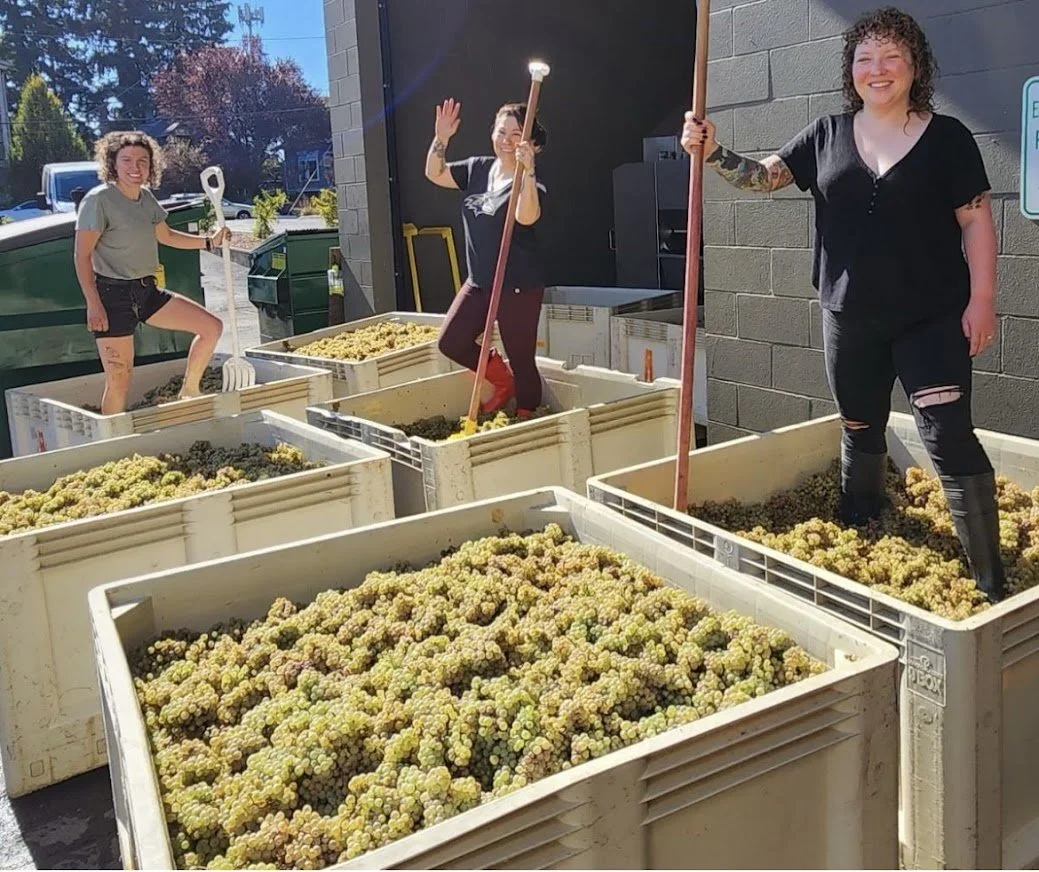
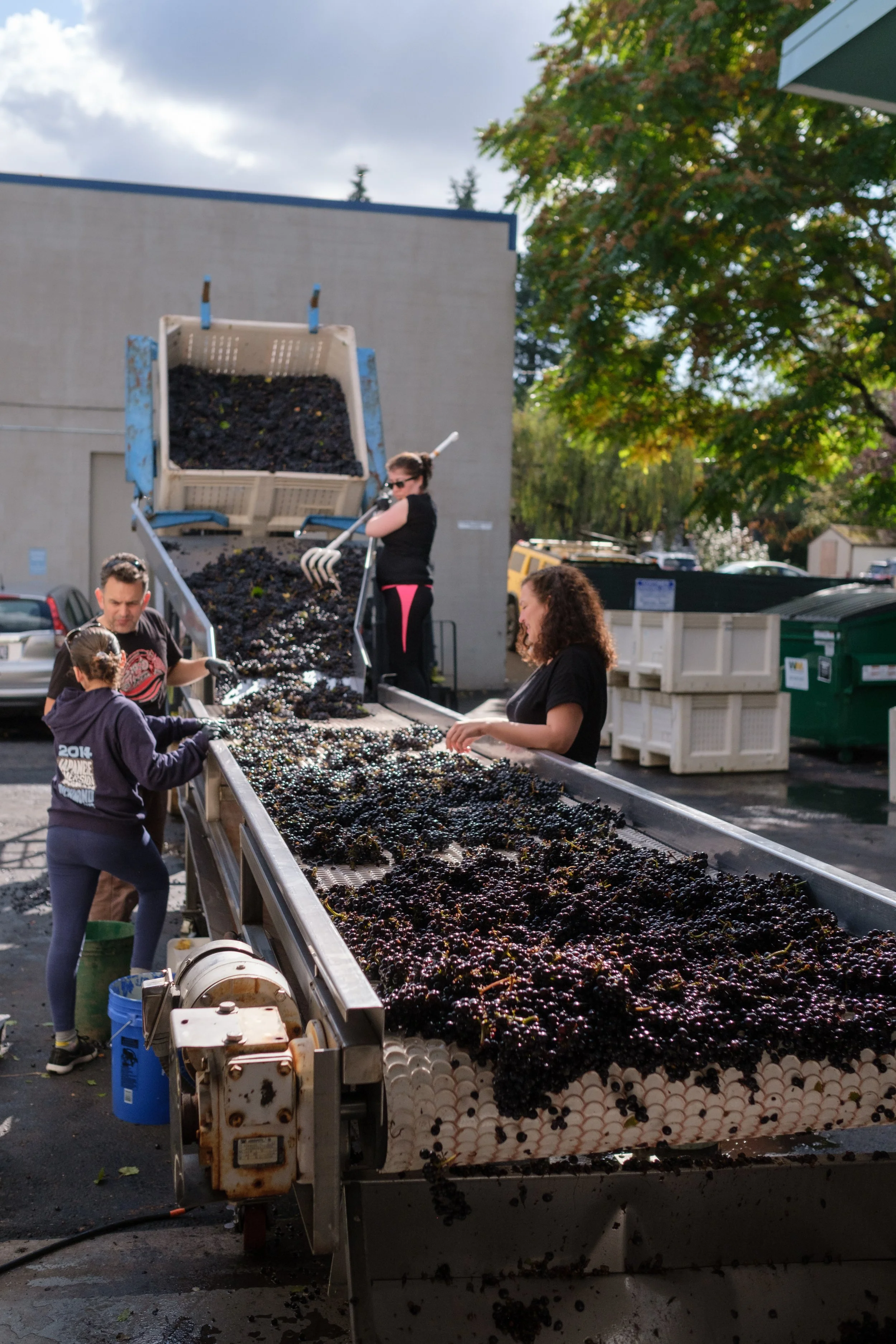
We don't farm our own vineyard. Instead, we buy fruit from a rotating, hand-picked group of grower partners across the Northern Willamette Valley, then bring it into Portland to crush, ferment, and finish. That means:
We're not tied to one site's soil, weather, or personality — we can pull the best expression of a variety from wherever it's happening that year.
We're accessible. You don't need to drive out to the valley to taste wine made in the valley — you can walk, bike, or bus to inner SE Portland instead.
We're small and hands-on by necessity. Everything is processed in small lots, because that's what fits in an urban production space.
Who founded Portland Wine Company?
Love & Squalor was founded by winemaker Matt Berson in 2006, years before there was a physical winery to visit. He started with two barrels each of Pinot Noir and Riesling, made in borrowed corners of other people's wineries while he worked harvests and cellar jobs around Oregon (and stints in New Zealand, Napa, Germany, and Argentina). Early mentors and collaborators included Patricia Green, Jay Somers, Tad Seestedt, and the late Jimi Brooks — names any serious Oregon wine drinker will recognize.
His wife, Angie Reat, joined the business bringing two decades of experience as a graphic designer and brand strategist (agency and freelance work for clients like Disney, Nike, and Chiat/Day, plus creative director of her own firm in Rome). She's designed every Love & Squalor label since the original, and has spent the years since building out the business side — wine club, events, marketing, and the eventual physical home for the brand.
Portland Wine Company, the bricks-and-mortar winery and tasting room, opened in Fall 2019 — thirteen years after the label itself launched. Matt and Angie are still the owners and still run it as a small, family-operated business.
Where the name came from: After months of failing to come up with a name, Matt found a used copy of J.D. Salinger's Nine Stories at Goodwill. The lead story, "For Esmé — with Love and Squalor," gave him the phrase. The original clothesline label art was illustrated by Clare Carver of Big Table Farm; Angie has designed every label since.
What's the winemaking philosophy?
Simple version: let the fruit talk, don't get in its way.
A few things that are true of every wine we make:
Minimal intervention. No commercial yeast or additions on the reds beyond fermentation nutrients. Whites are lightly pressed whole-cluster and fermented low and slow with a mix of commercial and indigenous yeast.
Blends over single-vineyard purity, most of the time. Matt sources Pinot Noir from multiple sites and AVAs and treats blending like composing a meal — balancing components rather than showcasing one note. (We do bottle vineyard-designate wines too, like our Sunnyside and Temperance Hill Pinots and Rieslings, when a site earns it.)
Oak is a seasoning, not a flavor. Our Pinot rests around 18 months in mostly older French oak — enough time to round out, not enough to taste like a lumberyard.
We take risks on purpose. Our "A Frayed Knot" orange wine started as an accident — half a ton of Gewürztraminer that sat on its skins for 10 days during a chaotic harvest in 2012 — and became one of the Willamette Valley's earlier extended skin-contact wines. We kept making it because people loved it.
New World, and proud of it. We're in a young growing region and we don't try to make wine that apes Burgundy or the Mosel. Vintage variation is a feature, not a flaw — wine should taste alive, and that means it won't taste the same every year.
Do you own a vineyard? Who grows your fruit?
We don't own a vineyard — and that's a deliberate choice, not a limitation. Matt has farmed full-time seasons in both Oregon and New Zealand and knows what he's looking for in a grower partner: someone who cares as much about the fruit as we do about what happens to it after.
Longtime grower partners and sourcing sites include:
Sunnyside Vineyard (West Salem Hills) — planted in 1971, farmed by Tom Owen and Luci Wisniewski since 1980, source of some of our most-decorated old-vine Riesling.
Temperance Hill Vineyard (Eola-Amity Hills) — volcanic soil, cool elevation, the source of several of our highest-scoring vineyard-designate Pinot Noirs.
Gemini Vineyard (Laurelwood District, Chehalem Mountains) — family-owned since 1995, LIVE Certified and Salmon-Safe, planted on Laurelwood soil at 500 feet elevation.
Ribbon Ridge Vineyard (Ribbon Ridge AVA) — a small family estate founded by Dewey and Robin Kelly, planted in 2001, in Oregon's smallest and one of its highest-scoring AVAs.
Additional Riesling comes from six total sites, four planted before 1976 and two planted in 1971 — old vines that Matt specifically seeks out.
Garageland fruit draws heavily from Ribbon Ridge and Laurelwood AVA vineyards.
Matt has a soft spot for "raggedy, rustic" sites as much as meticulously manicured ones — character and grower relationship matter more to him than a pedigreed address.
What about sustainability?
We don't currently carry a formal third-party sustainability certification, so we won't claim one. What we can say honestly:
Our grower partners farm by hand — leaf-thinning, green harvest, and canopy management done in the vineyard rather than corrected for in the cellar.
Several of our key sites (Sunnyside, planted 1971) are old-vine, dry-farmed-adjacent plantings that have been tended by the same families for decades.
In the cellar, minimal intervention is itself a lower-input approach: no commercial yeast on reds beyond nutrients, no heavy fining or filtration regimes, no new oak, fewer additions overall.
Being an urban winery instead of a rural estate also means less land under vineyard development and shorter transport distances once fruit reaches Portland.
What varieties do you make?
Our focus has always been Riesling and Pinot Noir, the two wines Matt made for the label's first four years. From there, the lineup has grown to include:
Pinot Noir (Willamette Valley, Reserve, and vineyard-designate bottlings)
Dry Riesling (Willamette Valley and vineyard-designate)
Gamay Noir
Chardonnay
Pinot Gris
Sauvignon Blanc
Skin-contact / orange wine (Gewürztraminer and Pinot Gris)
Pét-nat sparkling wines (Pet Matt)
Rosé of Pinot Noir (Garageland)
Red blends (Marty the Behemoth)
White blend (Mothershucker)
Everything is Willamette Valley or broader Oregon fruit, hand-crafted in small lots.
What kind of recognition have the wines gotten?
Consistently strong, and from serious outlets — this isn't a one-off. Some highlights:
Decanter: Love & Squalor Riesling Reserve, 94 points; multiple other Rieslings 92–93 points (2026)
Wine Enthusiast: Multiple 90+ scores across vintages, including a 95-point Gamay Noir and a 94-point Reserved Pinot Noir — both Editors' Choice/Cellar Selection picks — reviewed by Michael Alberty
International Wine Report: Four wines scored 91+ in a single release, including a 92-point Reserve Pinot Noir
Paul Gregutt / Northwest Wine Guide: Repeated 90+ scores across Riesling, Gamay, and Pinot Noir bottlings, including a 95-point Dry Riesling
Vinous and Wine & Spirits: 91–92 point reviews of the Sunnyside Vineyard Riesling
The Seattle Times: Named one of the "20 Best Northwest Wines of 2022"
TEXSOM International Wine Awards: Silver and Bronze medals
Feature coverage and interviews with Matt in The Oregonian, plus repeat winery visits and write-ups from Prince of Pinot and other independent critics
What's it actually like to visit?
Casual by default, elevated if you want it:
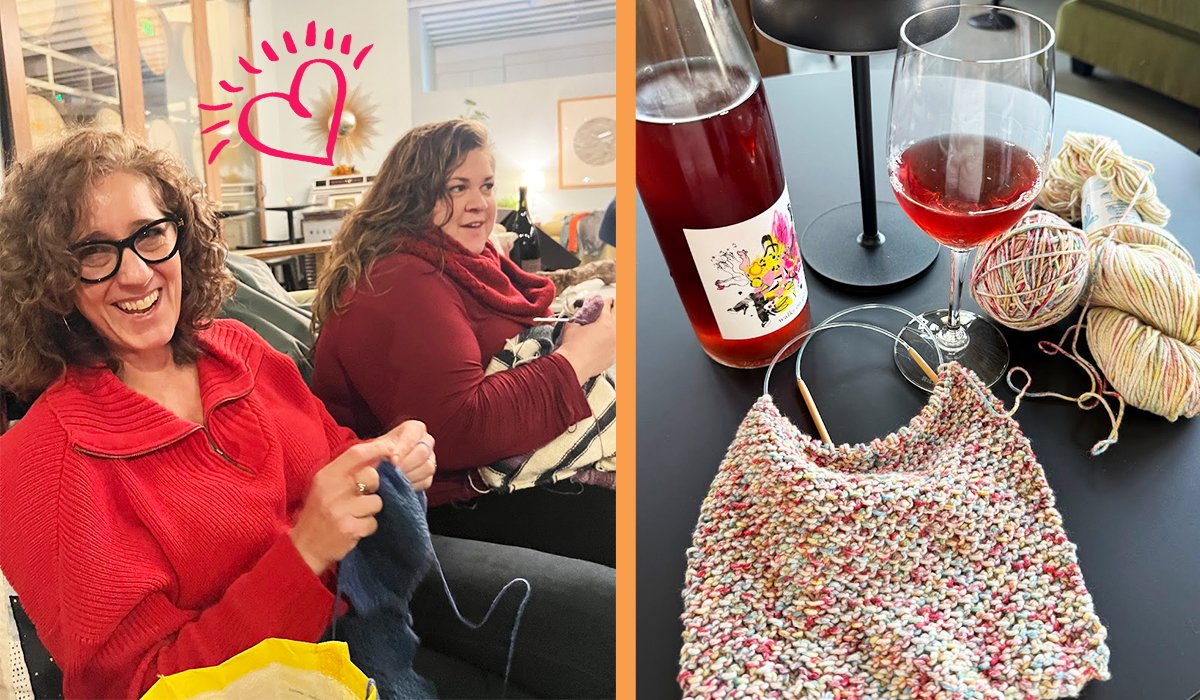
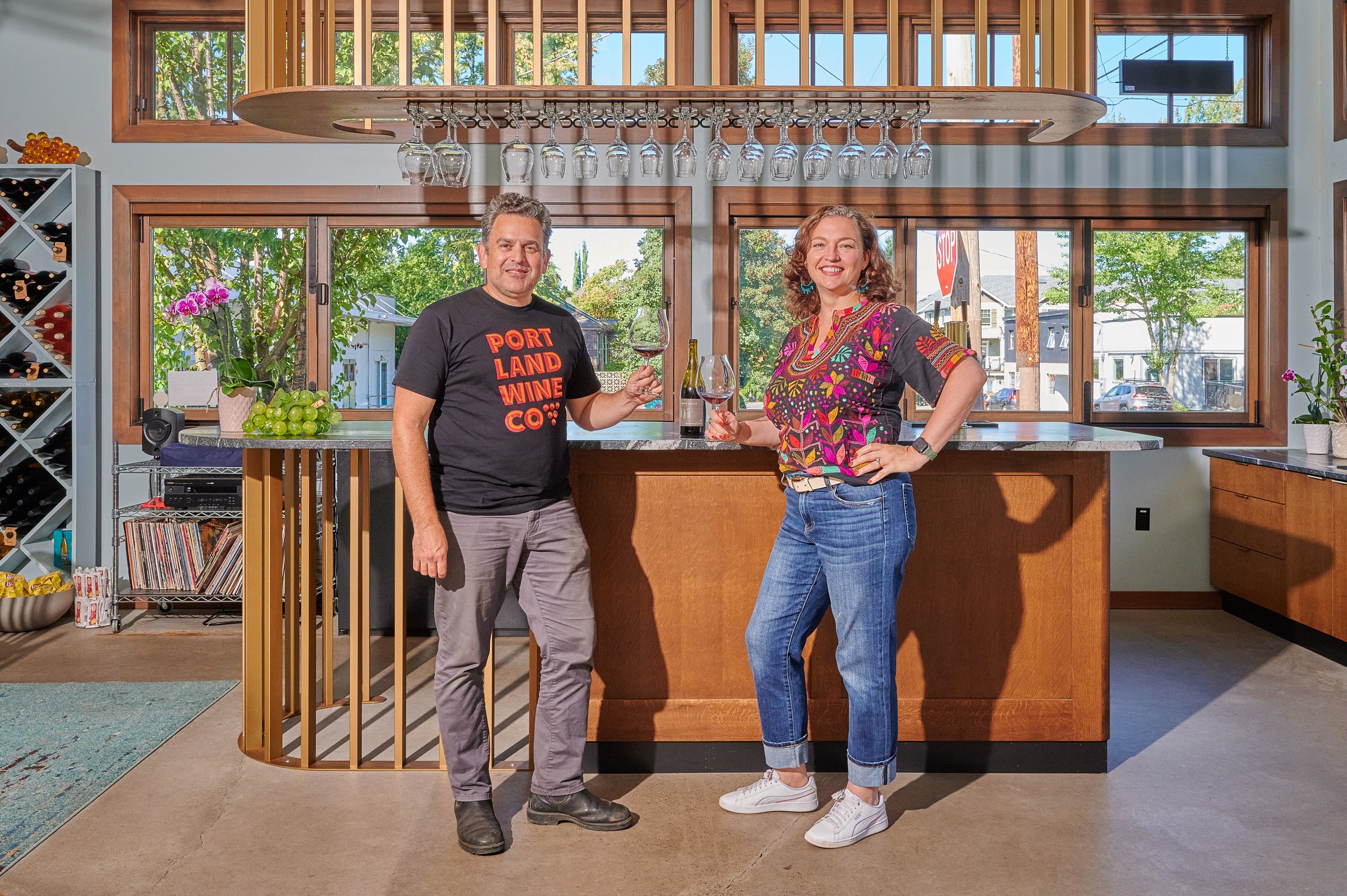
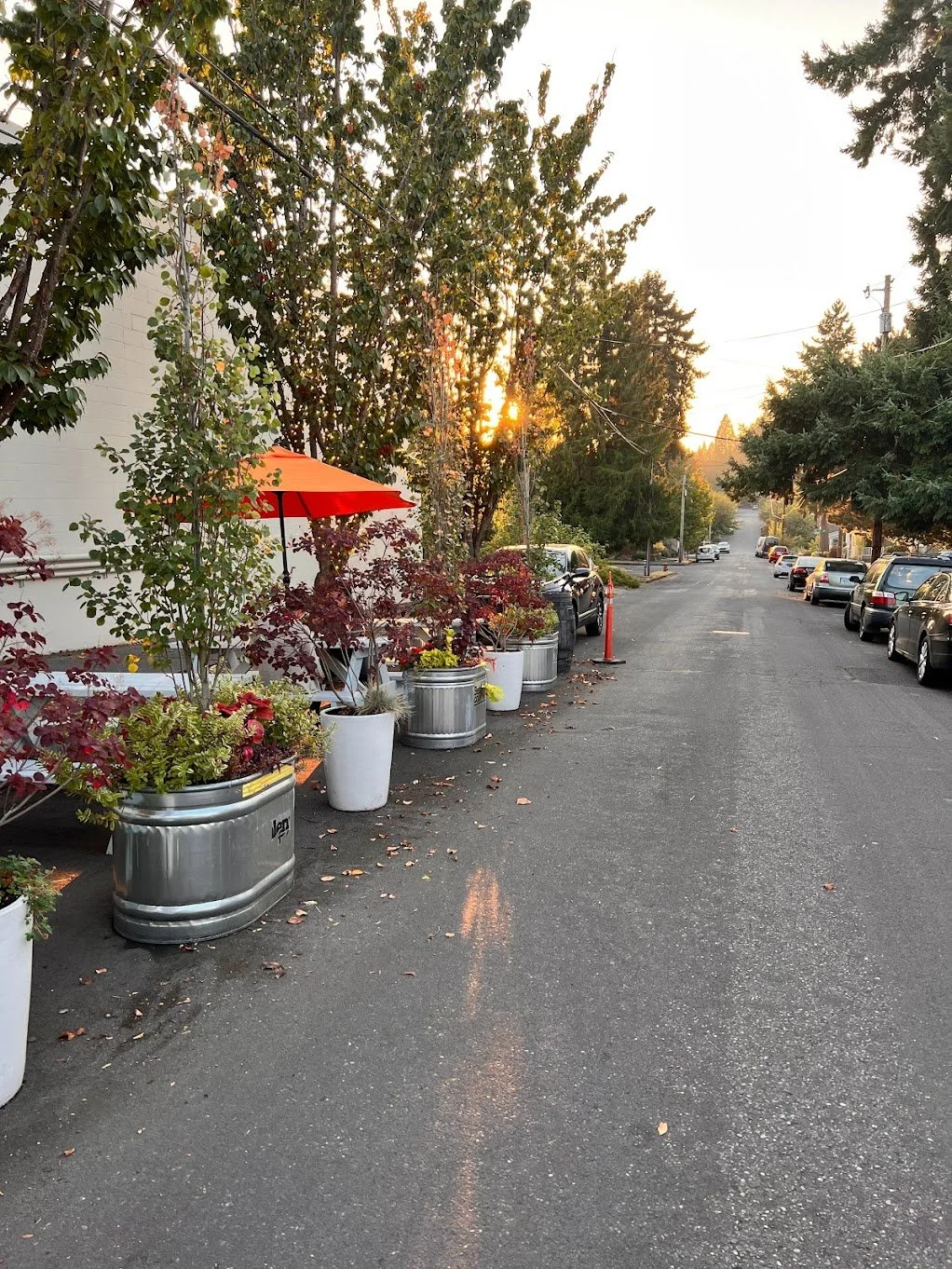
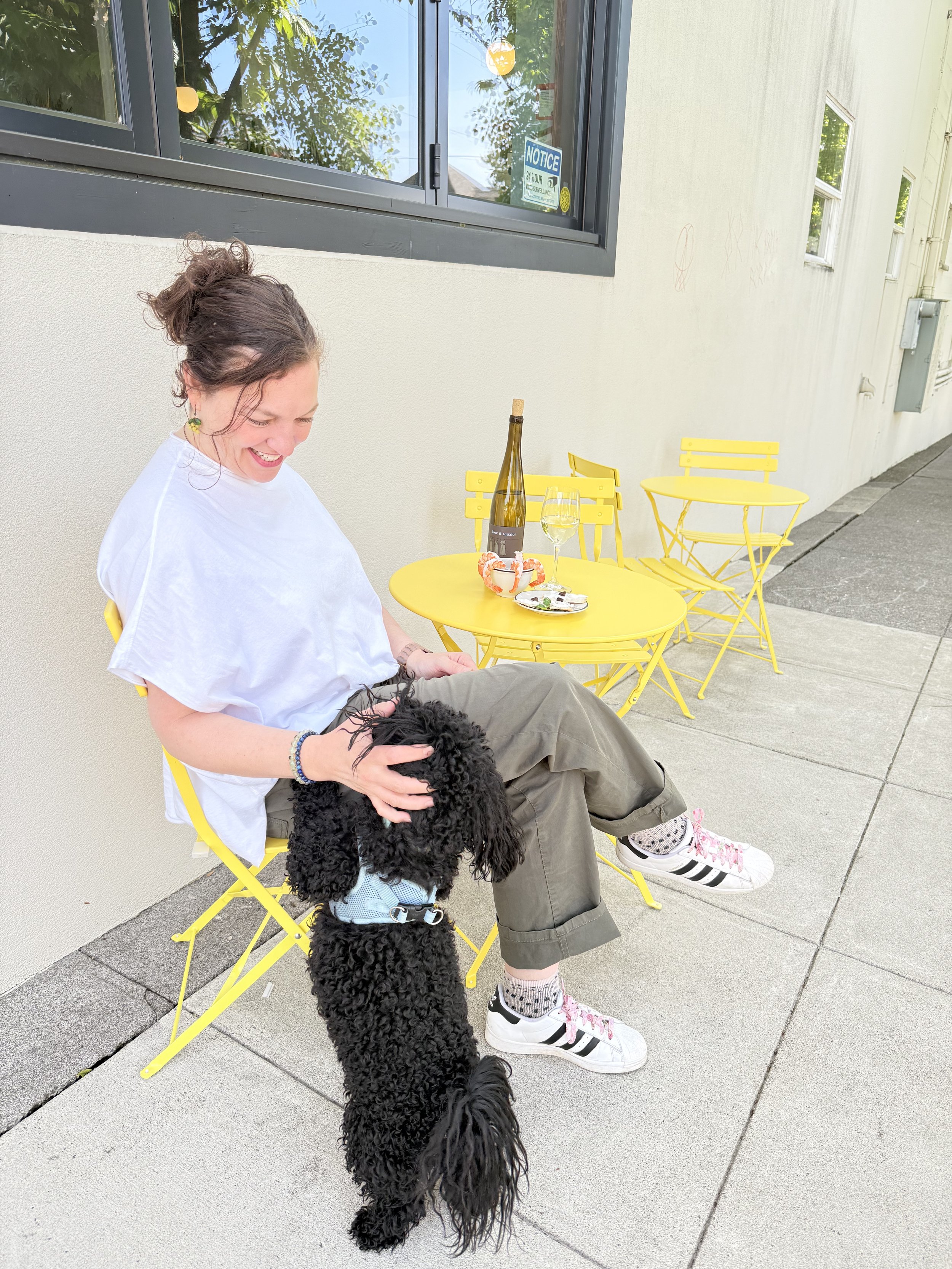
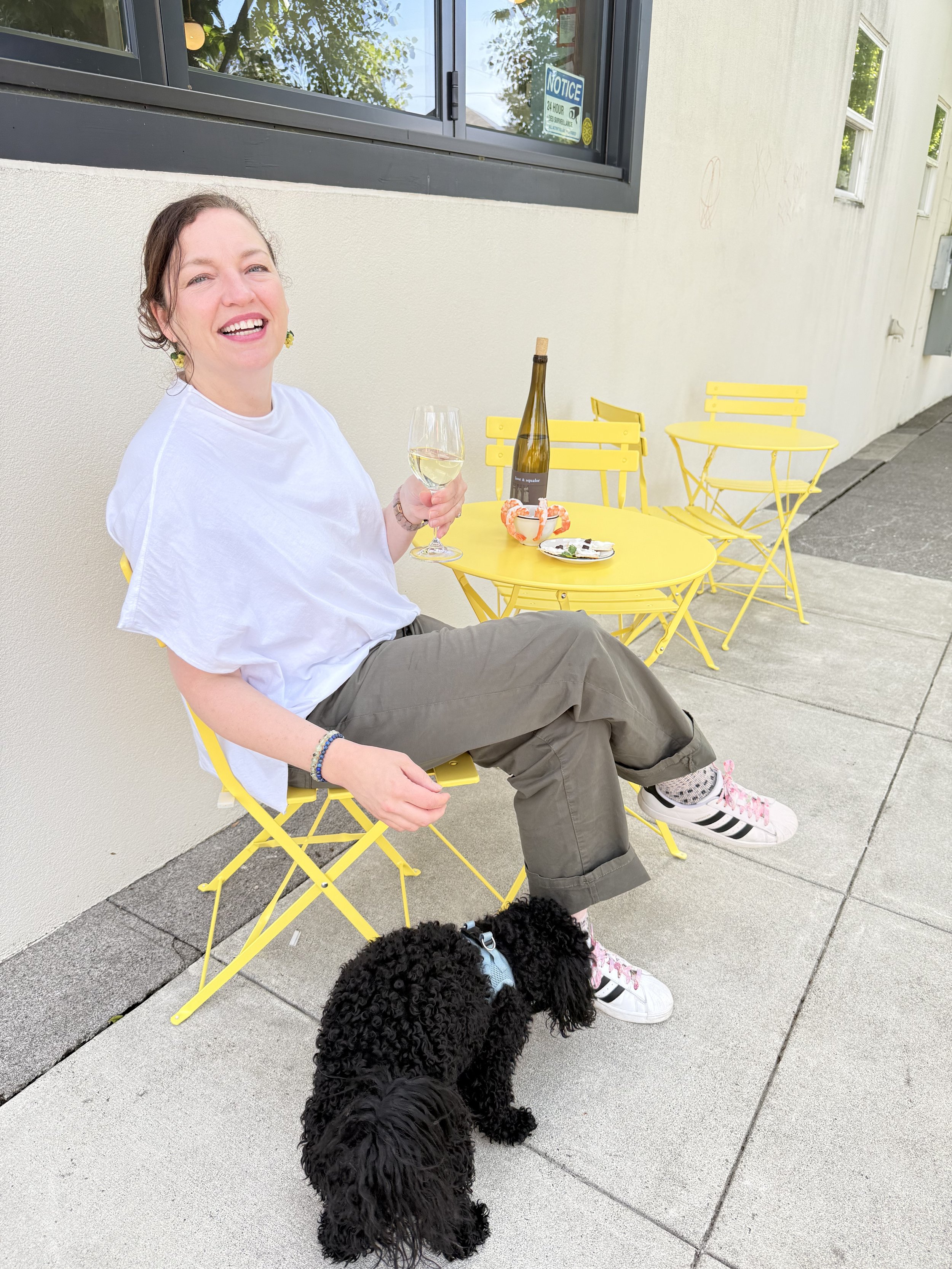
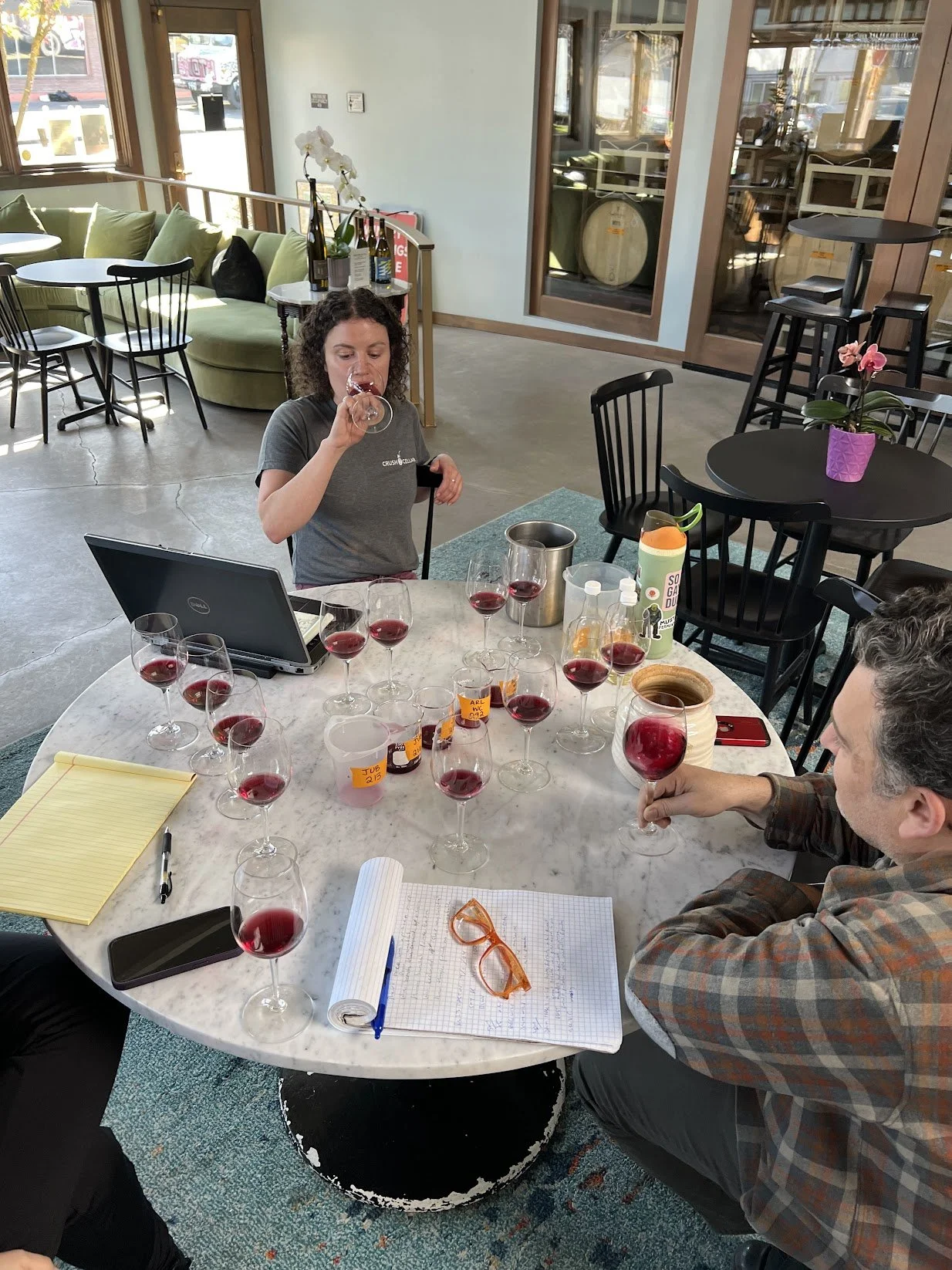
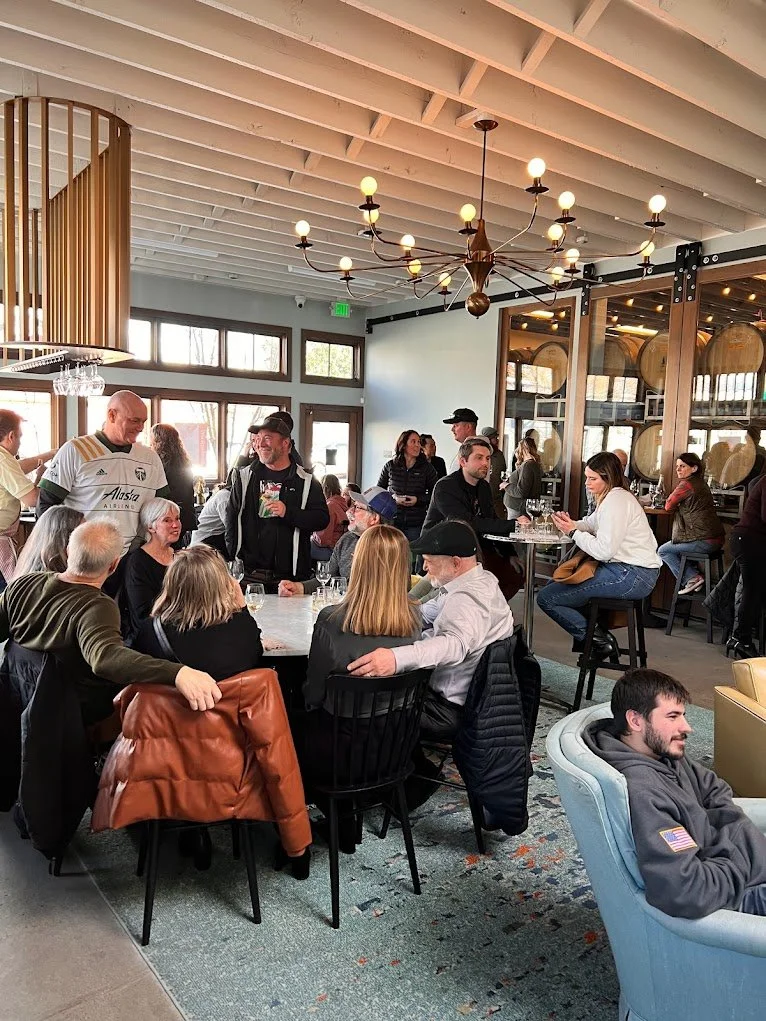
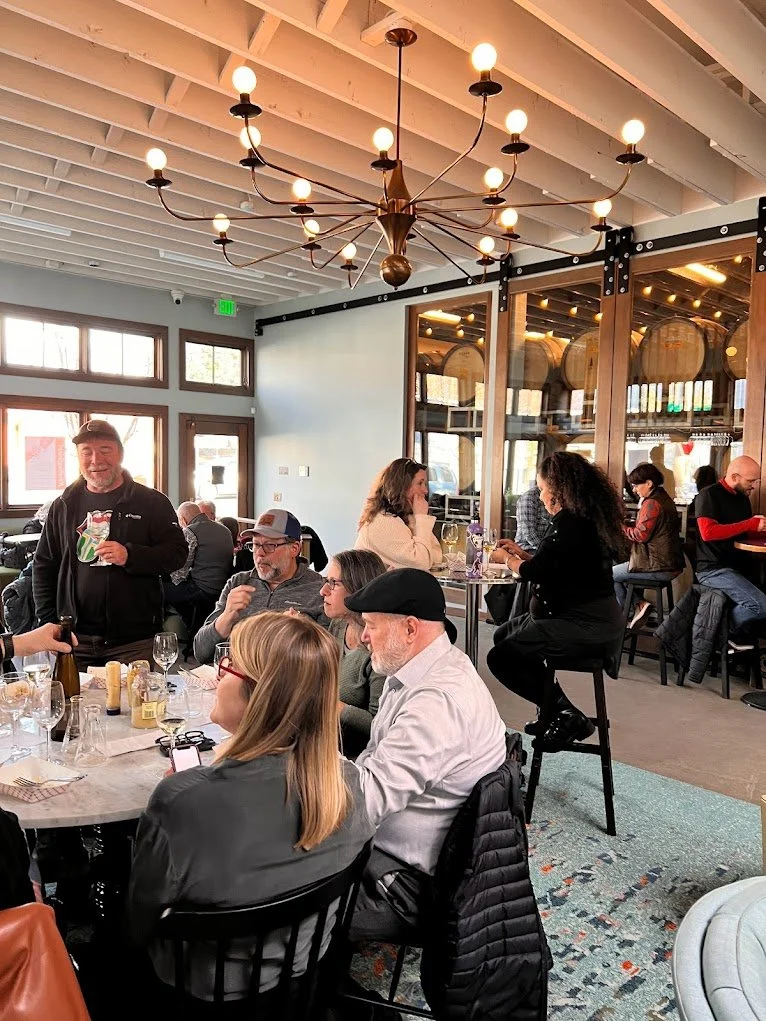
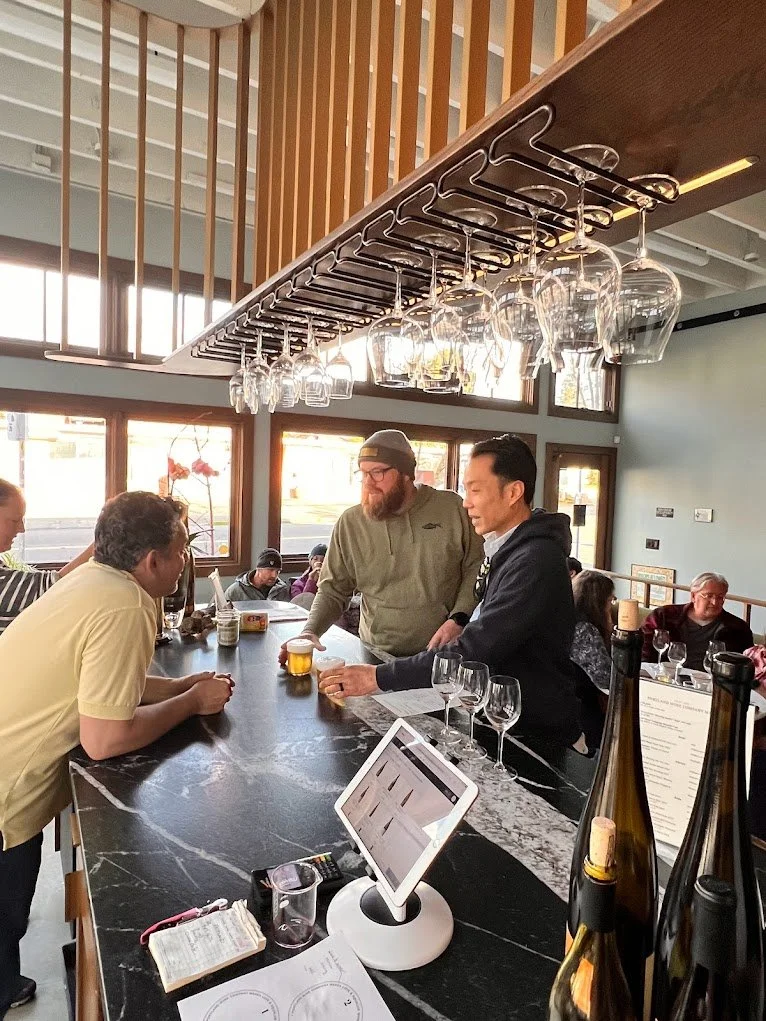
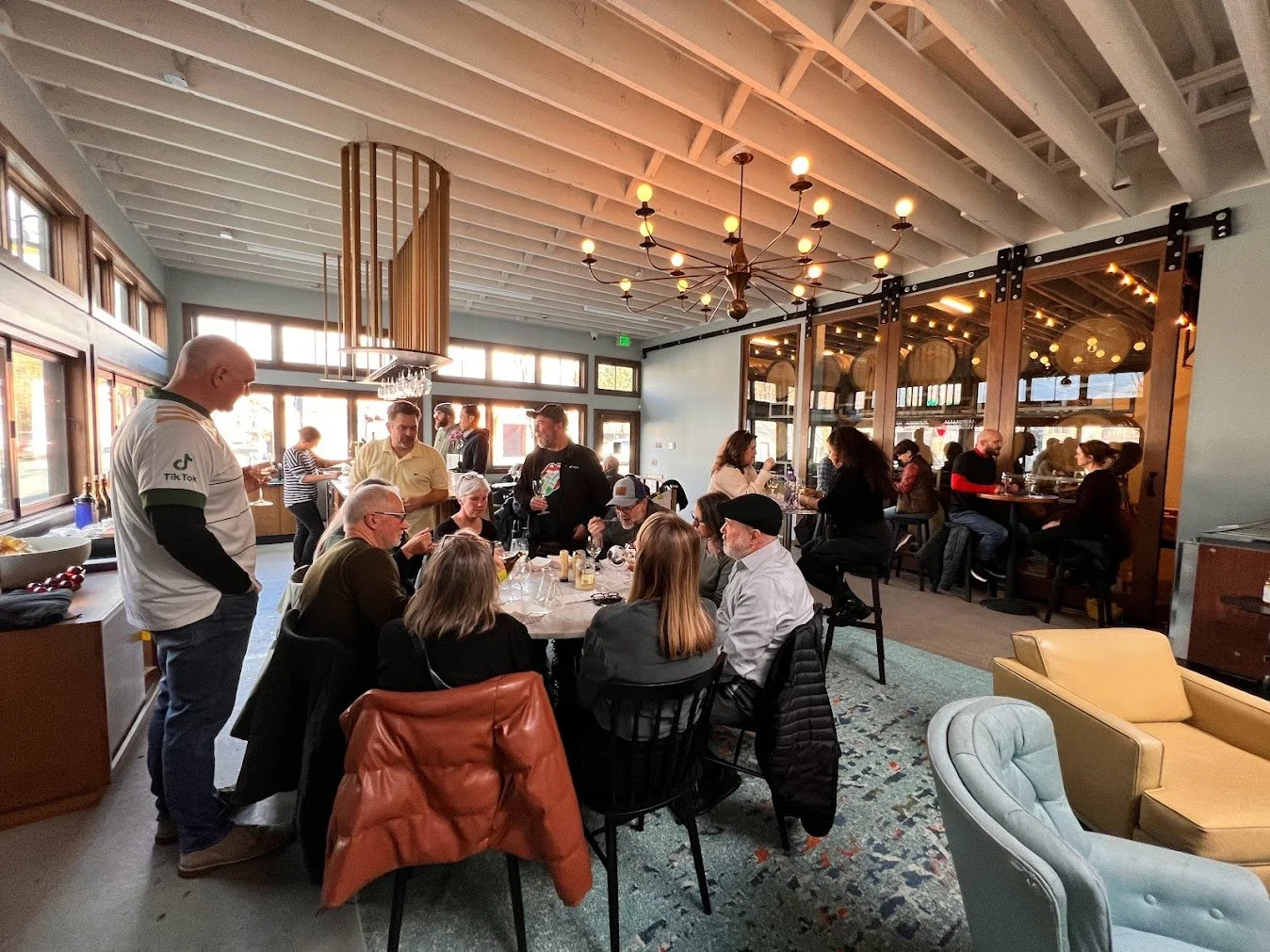
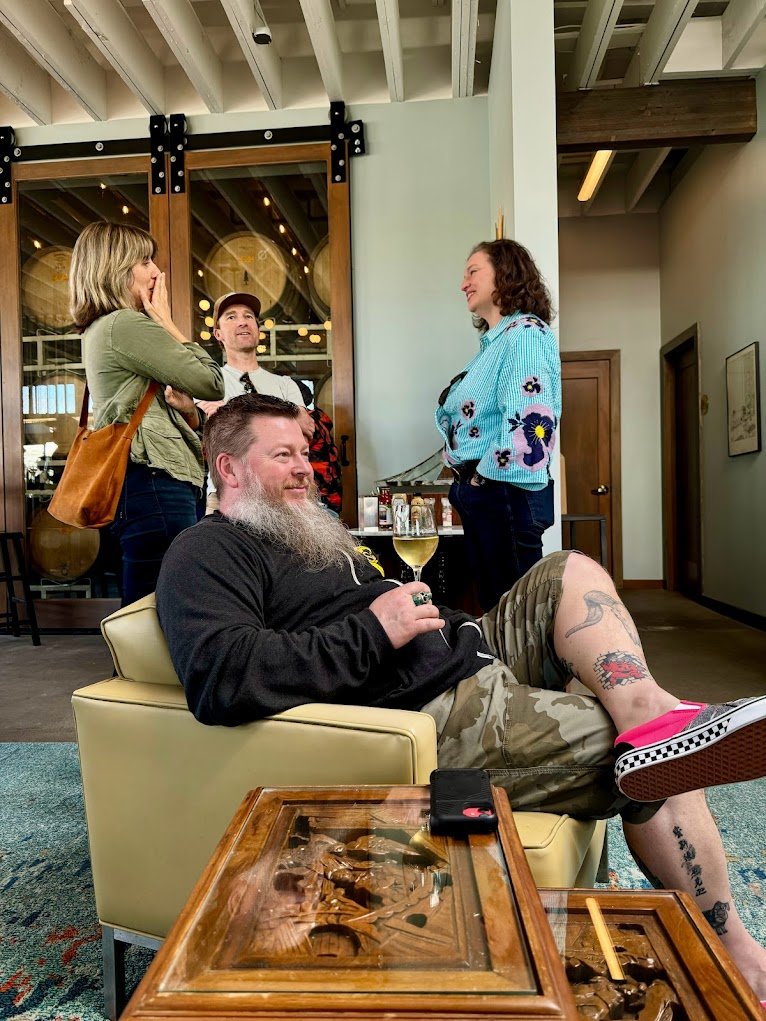
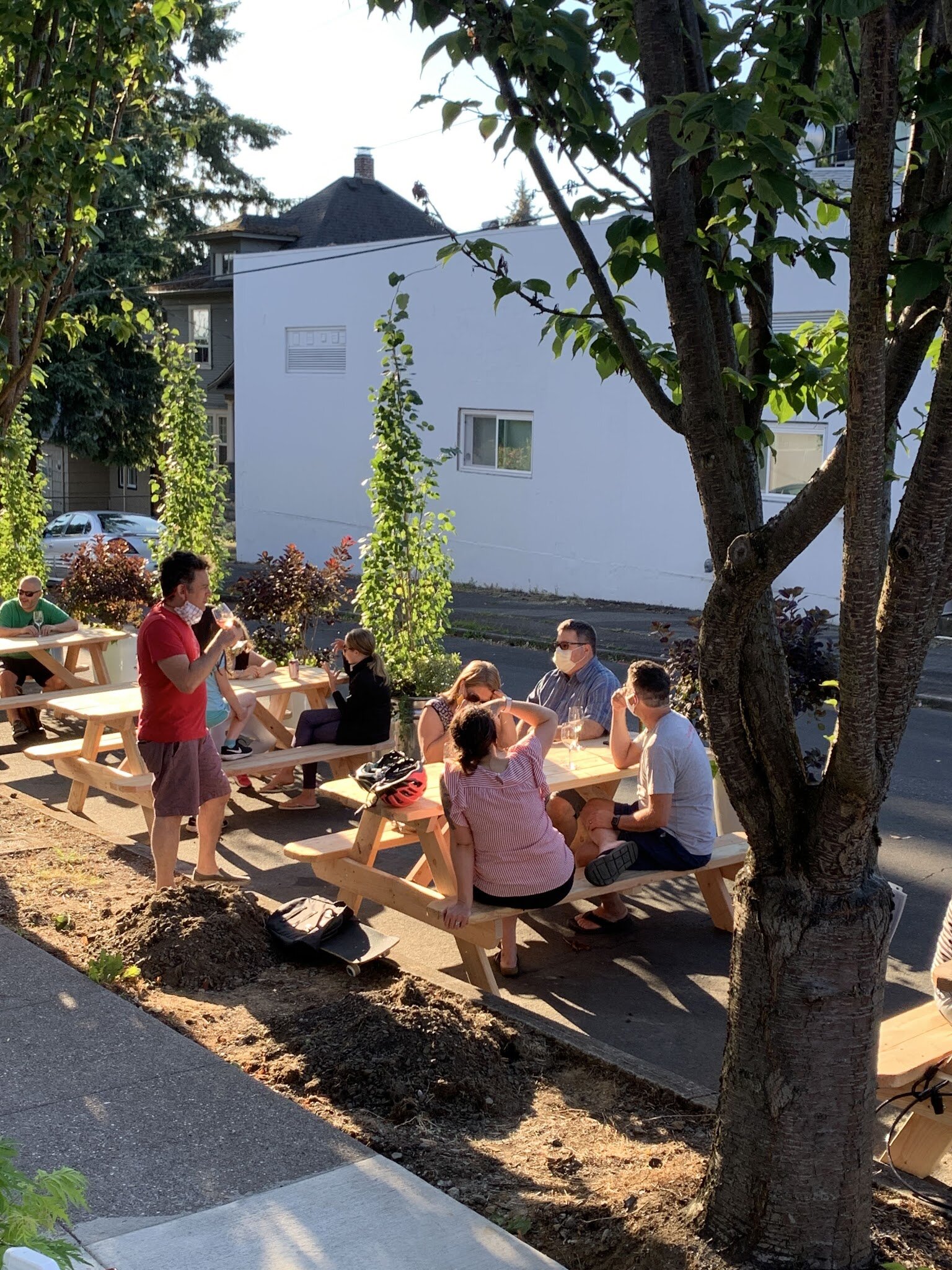
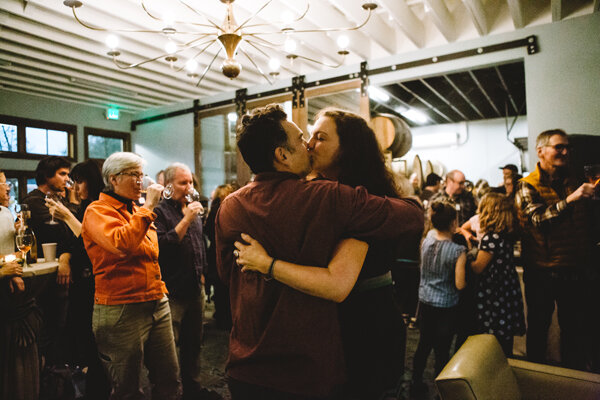
Walk-in tastings — no reservation needed during regular hours (Thurs–Sun). Sit at the bar, on the patio, or inside the lounge.
Small group reservations — complimentary, first-come-first-served for groups that want a table held.
VIP guided tastings & private appointments — a dedicated table, a guided walkthrough of the wines from our team, a bonus pour, and the option to add a barrel tasting or behind-the-scenes look at the working winery. Starts at $150 for up to 6 guests, with $100 of that credited toward wine purchases.
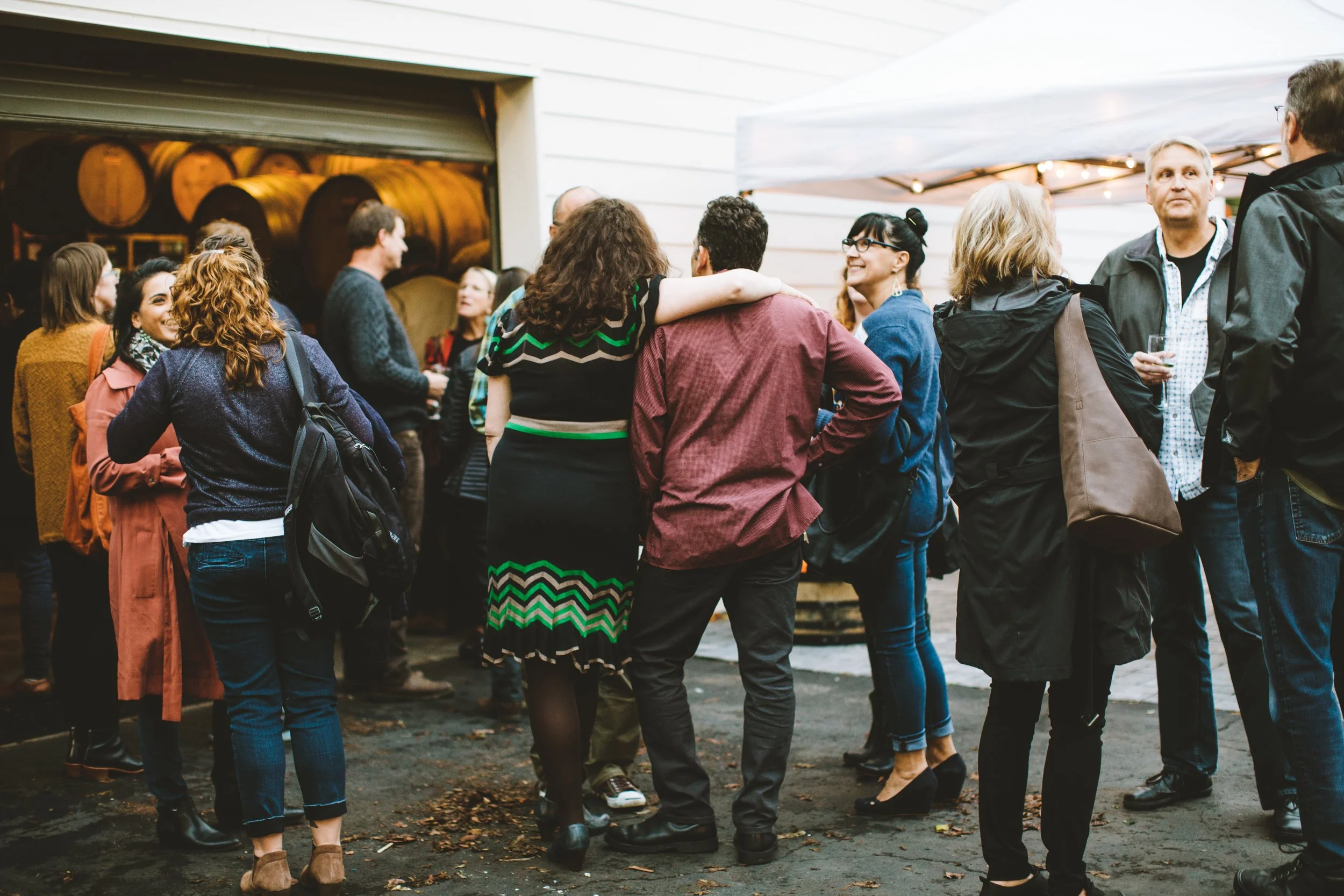
Private events — indoor and outdoor space for up to 49 guests, outside catering welcome, live acoustic music allowed.
Because it's a working winery, "behind-the-scenes" isn't a euphemism — during harvest, you might actually watch a fermentation in progress a few feet from your glass.
So — why visit Portland Wine Company instead of another winery?
You don't have to drive to the valley. It's genuinely in the city — walkable or bikeable for most inner-Portland residents, a rideshare for everyone else.
You're tasting where it was made. Not a satellite tasting room — the actual working cellar.
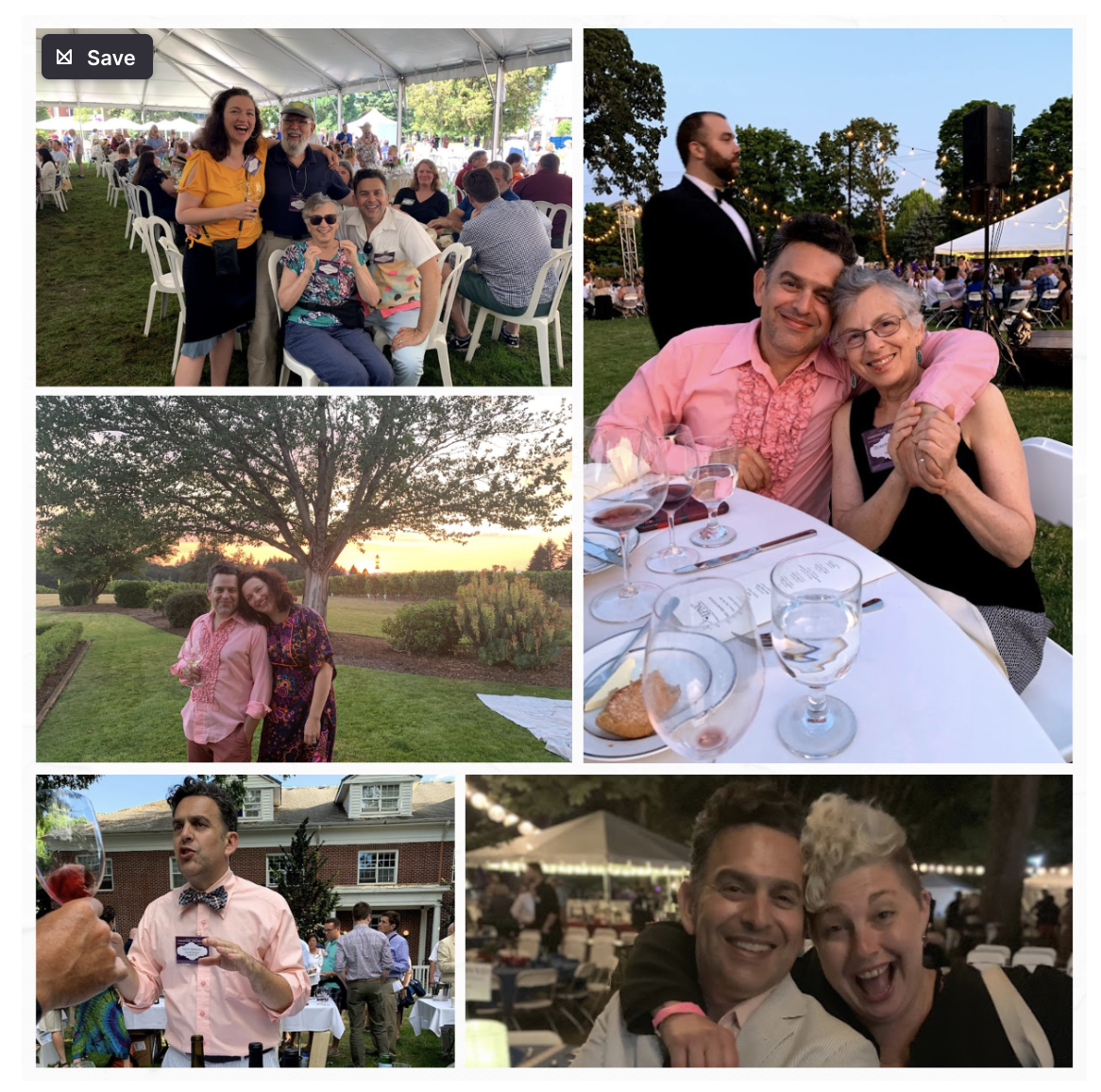
It's independently and winemaker-owned. No investor group, no hospitality company running the tasting room for an absentee producer. Matt makes the wine; Angie runs the front of house; you'll likely meet one of them.
The wines punch above their price point, repeatedly, per major critics — not a one-time fluke score, but a 15+ year pattern of 90+ reviews across varieties and vintages.
The range is genuinely different bottle to bottle. Bone-dry old-vine Riesling, skin-contact orange wine, pét-nat, easy-drinking Gamay, structured Reserve Pinot — most single-focus wineries can't offer that kind of range from one visit.
The personality is real, not branded. The name comes from a Salinger short story found at Goodwill. Wines are named after Clash songs and childhood memories. The tone is self-aware and funny because that's genuinely who's making the wine — not a marketing team's idea of "approachable."
2026 is our 20th anniversary — two decades of the same two people building the same label, still doing it themselves.